

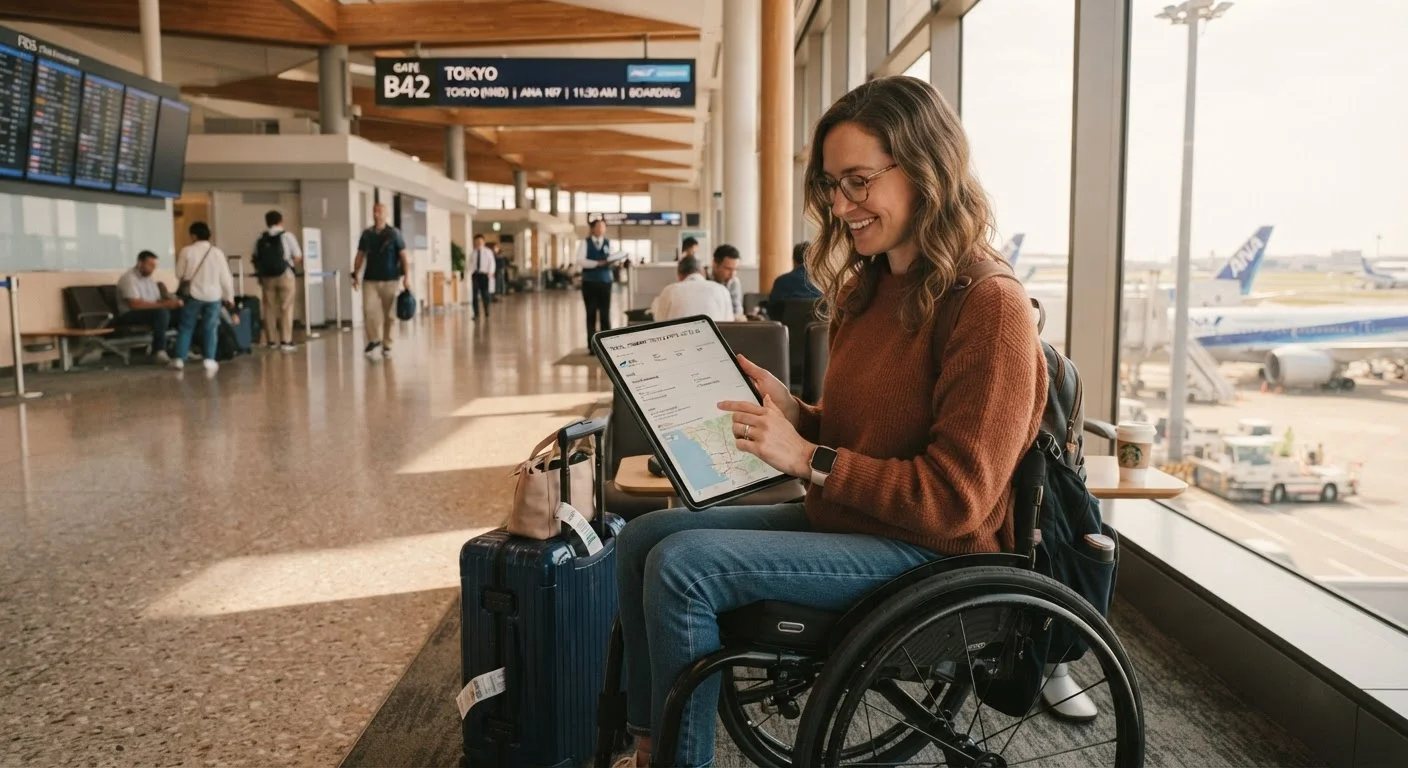
Why Accessible Travel Demands More Research Upfront
Planning a trip with accessibility needs isn't fundamentally different from any other trip - but the margin for vague or missing information is much smaller. A hotel that describes itself as "accessible" may mean it has one grab bar in the bathroom. A "wheelchair-friendly" tour might assume the traveler can navigate uneven cobblestones. These gaps between marketing language and on-the-ground reality make targeted, specific research essential.
If you're new to planning travel generally, the ground-up trip planning primer covers foundational logistics that apply here too. For accessible travel, layer that foundation with the additional research steps below.
The core principle: don't rely on general descriptors. Ask specific questions, get written confirmation where possible, and plan for contingencies. This guide walks through how to do that systematically across every major category of travel planning.
What you will need
Transportation: What to Investigate Before You Book
Transportation is often the most complex accessibility challenge because it spans multiple providers - airlines, ground shuttles, rail lines, rental car companies - each with different policies and equipment.
Air Travel
Airlines operating in the U.S. are governed by the Air Carrier Access Act, which mandates certain accommodations including boarding assistance, onboard wheelchairs, and stowage of mobility devices. However, implementation varies. When booking, contact the airline's accessibility desk - not standard customer service - to discuss your specific needs. Ask about:
- Aisle wheelchair availability and the boarding process at your specific airports
- How your mobility device will be stored and whether it will be checked as baggage or travel in the cabin
- Seat assignments with adequate legroom or proximity to lavatories
For international flights, research the regulations of the destination country's aviation authority, which may differ significantly from U.S. rules. Always verify directly, as policies can change. See our road trip vs. fly-and-explore comparison if you're weighing whether flying is even the right format for your trip.
Ground Transportation
Research accessible taxi and rideshare availability at your destination in advance. Major U.S. cities generally have accessible vehicle fleets, but rural areas and many international destinations do not. Rental car companies typically require advance notice - sometimes 48-72 hours - for hand-control or other adaptive vehicles. Confirm availability for your specific dates, not just general availability.
Keep a Digital Accessibility File While Traveling
Save written confirmations, accessibility statements from providers, and your own requirements document in a cloud-accessible folder before you leave. If something goes wrong at check-in or boarding, having documentation immediately available - rather than searching through email on a slow connection - can resolve disputes quickly and reduce stress.
Lodging: Asking the Right Questions
Hotel accessibility certifications and self-reported descriptions vary widely in reliability. The Americans with Disabilities Act (ADA) sets minimum standards for U.S. properties, but older buildings may have limited compliance, and international properties operate under entirely different frameworks.
When contacting a property, request specifics in writing. Useful questions include:
- What is the exact width of the accessible room's bathroom door and shower entry?
- Is there a roll-in shower or only a tub with grab bars?
- Are all amenities - pool, restaurant, fitness center - reachable without stairs or have elevator access?
- What is the path from the accessible parking area or hotel entrance to the room?
Ask the property to confirm in writing that your specific room type will be available on your dates. Accessible rooms are limited in number and are sometimes reassigned without notice. A written record of what was promised gives you recourse if something goes wrong on arrival.
Seasonality also affects accessibility planning - popular travel periods mean accessible rooms book out faster. Our guide on how seasonality shapes trip planning explains how timing affects availability across the board.
Activities and Destinations: Evaluating Before You Commit
Destination and activity research is where generalized travel advice most often breaks down for travelers with accessibility needs. Many popular sites - historic districts, natural parks, heritage landmarks - were built long before accessibility was a design priority.
Before booking tours or activities:
- Ask operators for the specific terrain involved (paved, unpaved, inclined, cobblestone)
- Inquire whether adaptive equipment is available or whether you need to bring your own
- Check whether visitor attractions publish accessibility guides on their official websites - many national parks and major museums do
- For group tours, ask whether the pace accommodates your needs or whether you'd be the only participant requiring adaptations
Connecting with traveler communities focused on accessible travel - forums, blogs, social media groups - can surface ground-level insights that official sources miss. These firsthand accounts often describe what's genuinely navigable versus what's theoretically compliant. Our travel tips hub also covers broader strategies for navigating common on-the-ground challenges.
Verify Entry and Health Requirements Independently
Visa requirements, vaccination rules, and border policies can affect travelers with certain medical conditions or equipment needs in ways that standard travel advisories don't address. Always check with the destination country's official embassy or consulate, as well as the U.S. Department of State's travel information pages, before finalizing international plans. Conditions change, and provider staff are not reliable sources for regulatory requirements.
Building buffer time between activities and keeping at least one flexible day in your itinerary is a practical safeguard. Accessible travel sometimes takes longer - boarding processes, accessible transportation waits, elevator queues - and a tight schedule amplifies the impact of any delay.
This article provides general travel planning information. Accessibility laws, provider policies, and on-the-ground conditions vary and can change. Always verify current details directly with airlines, accommodations, and destination providers before finalizing travel plans.
The content on this site is provided for informational purposes only and should not be considered a substitute for professional advice. While we strive to provide accurate and up-to-date information, we make no guarantees regarding its completeness or accuracy. Always consult a qualified professional for advice specific to your circumstances before making any decisions.