

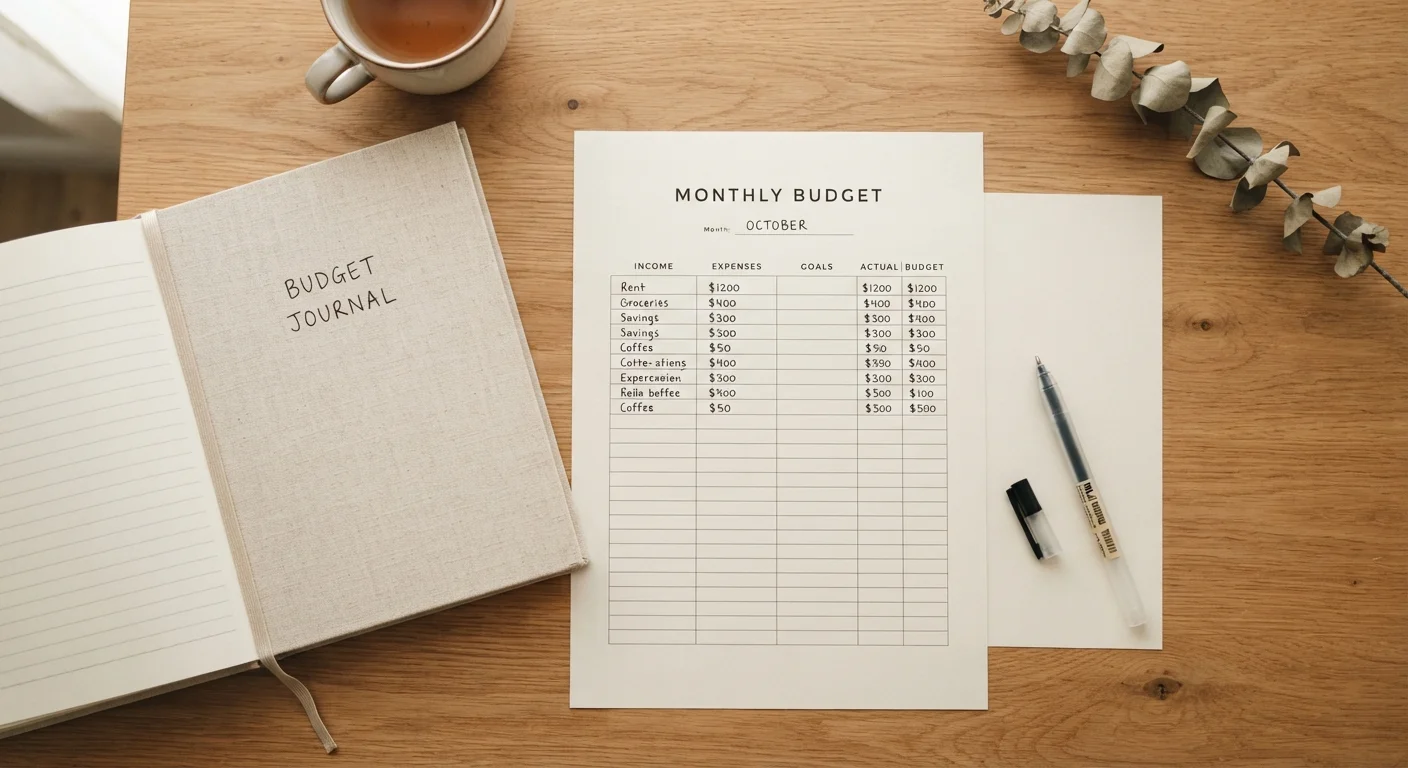
Why Budgeting Myths Are So Sticky
Most people who haven't started a budget aren't lazy or careless - they've simply absorbed a set of ideas about budgeting that make it feel pointless, painful, or out of reach. These myths circulate through social media, family conversations, and even well-meaning financial advice. The problem is that they're largely wrong, and they're doing real financial damage to the people who believe them.
If you've ever said "I'll budget when I make more money" or "I'm just not a numbers person," you've run into at least one of these myths. The good news is that dismantling them takes less effort than living with the consequences of avoiding your finances altogether. As explored in why financial avoidance is costly, ignoring your money situation carries real, compounding costs.
Myth
Budgeting is only worth doing if you earn a good income. There's no point when money is already tight.
Fact
Budgeting is most valuable precisely when money is tight - it helps you get more control over the dollars you do have.
This is one of the most common and most harmful myths. The assumption is that budgeting is a tool for managing surplus. In reality, it's a tool for managing allocation - and allocation matters far more when resources are limited. Knowing exactly where each dollar is going helps lower-income households avoid overdrafts, reduce reliance on high-interest credit, and identify even small opportunities to build savings.
Myth
A budget means cutting out everything enjoyable - no restaurants, no travel, no fun.
Fact
A well-built budget includes spending on things you enjoy. The goal is intentionality, not deprivation.
This myth conflates budgeting with extreme frugality. In practice, a budget is a plan - and plans can include dinner out, a weekend trip, or whatever you value most. The difference is that budgeted fun spending is a deliberate choice, not an accidental one. Understanding the role of emotional spending in your budget can help you separate reactive spending from the enjoyable spending you actually want to keep.
Myth
If your income is irregular - freelance, gig work, seasonal - budgeting simply doesn't apply to you.
Fact
Irregular earners often benefit most from budgeting, using a conservative baseline income estimate to anchor their plan.
Variable income makes budgeting feel unpredictable, but it actually increases its importance. The standard approach for irregular earners is to estimate monthly income conservatively - using a lower figure than your average - and treat any excess as a buffer or savings deposit. This prevents the boom-and-bust cycle of spending heavily in good months and scrambling in lean ones. The structure adapts; the core principle of knowing where your money goes doesn't change.
Myth
You need special software, a finance degree, or perfectly organized records before you can start.
Fact
A basic budget can be started today with a pen, paper, and your last bank statement.
The tools-first mindset is a form of procrastination. Waiting until you have the right app, the right spreadsheet template, or the right moment means not starting at all. What matters most in the early stages is simply identifying your income, listing your regular expenses, and noting where the gap is. That exercise takes roughly 20 minutes and requires nothing more than access to basic account information. Complexity can come later - if you want it.
Myth
Once a budget breaks down mid-month, it's ruined and you should just start fresh next month.
Fact
A budget that goes off track mid-month isn't failed - it's a signal to adjust, not abandon.
Treating a budget like a pass/fail test is a recipe for giving up. Real budgets get disrupted by car repairs, medical bills, and social events. The appropriate response is to adjust the remaining categories for that month, not to declare failure and stop tracking. When your budget keeps falling apart mid-month, the fix is almost always a structural tweak - not more willpower.
What Getting Started Actually Looks Like
The most effective budget is one you'll actually use - not the most elaborate one you can design. That might mean writing categories on a notepad, using a free spreadsheet, or just tracking where your last paycheck went before deciding where the next one should go. None of those approaches require expertise.
If you're unsure what terms like "discretionary income" or "fixed expenses" mean, a quick read through key budgeting terms every beginner should know can fill those gaps without overwhelming you. And if you're ready to build something structured, your first budget step-by-step guide walks through setup in plain language.
~33%
Americans with a detailed monthly budget
Gallup polling has consistently found that fewer than one in three American adults maintains a detailed household budget, despite widespread acknowledgment that budgeting is beneficial.
74%
Adults who feel financially stressed
According to the American Psychological Association's Stress in America surveys, money consistently ranks among the top sources of stress for American adults across income levels.
Understanding what a budget actually does - versus what most people assume it does - is often the real unlock. A monthly budget is a map of your money, not a punishment. And once you start, the bigger risk isn't getting it wrong - it's the broader money myths that keep people stuck long after they could have moved forward.
This article is for general informational and educational purposes only and does not constitute personalized financial advice. Consult a qualified financial professional for guidance specific to your circumstances.
The content on this site is provided for informational purposes only and should not be considered a substitute for professional advice. While we strive to provide accurate and up-to-date information, we make no guarantees regarding its completeness or accuracy. Always consult a qualified professional for advice specific to your circumstances before making any decisions.