

What Zero-Based Budgeting Actually Means
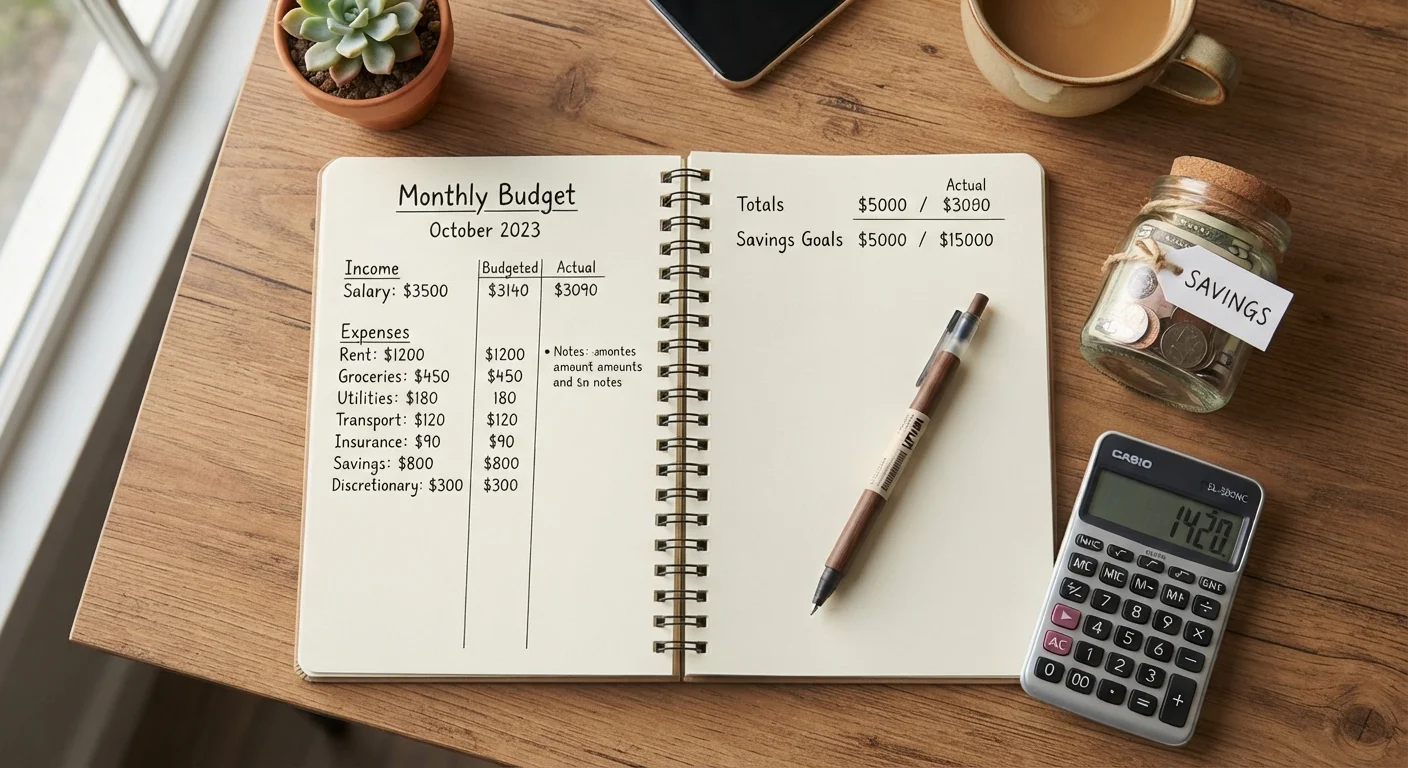
Zero-based budgeting (ZBB) is a method where you assign every dollar of your monthly income to a specific category - expenses, debt payments, and savings - so that income minus allocations equals zero. Zero does not mean you have nothing in the bank; it means no dollar is unaccounted for. Every dollar has a job before the month starts.
This is different from looser approaches where you track spending after the fact and hope something remains for savings. With ZBB, savings is planned and protected from the start. If you are new to budgeting entirely, our beginner's guide to building your first budget covers foundational concepts worth understanding before diving into a specific method. You can also compare this approach against alternatives in our zero-based vs. 50/30/20 overview.
The method takes more effort upfront than percentage-based rules, but it rewards that effort with precision. You know exactly where your money goes, and savings stops being an afterthought.
What you will need
How to Build Your Zero-Based Budget Step by Step
Follow these steps at the start of each month, ideally a few days before the new month begins. You will need your income total, your spending history, and your savings target. Our complete personal budgeting reference covers additional strategies for managing categories over the long term.
Calculate your total monthly take-home income
Start with the money that actually lands in your account after taxes and deductions - not your gross salary. Include all reliable sources: wages, side income, freelance payments, or government benefits. If your income varies month to month, use the lowest amount you received in the past three months as your baseline. Budgeting from a conservative floor means you will never overspend against income you were counting on but did not receive.
List every expense category you spend money on
Pull up two or three months of statements and write down every category where money went: housing, utilities, groceries, transportation, insurance, subscriptions, dining out, debt payments, personal care, and so on. Do not guess - use the actual statements. This step is where most first-time budgets fail because people underestimate irregular spending on things like clothing, car maintenance, or gifts. Capture those too, even if they do not happen every month.
For less frequent expenses - annual insurance premiums, holiday gifts, car registration - divide the total by 12 and treat the result as a monthly allocation. This technique is sometimes called a sinking fund: you set aside a small amount each month so the lump sum does not blindside you. See budgeting terms like sinking funds explained for a plain-language reference.
Assign savings as a fixed line item - first
Before allocating anything else, enter your savings target as a category at the top of your budget. This is the core discipline zero-based budgeting enforces: savings is a planned expense, not whatever survives after everything else is paid. If you do not yet have an emergency fund, prioritize that first. How much to keep in an emergency fund depends on your income stability and expenses - start with a specific, modest figure rather than waiting until you feel ready.
Allocate dollars to every remaining category until you reach zero
Work through your list and assign a dollar amount to each category. Add up all allocations - including savings - and subtract from your income. Your target is zero: income minus all allocations equals zero. If you have money left over, assign it deliberately (extra debt payment, additional savings, a specific sinking fund). If you are over budget, reduce discretionary categories - dining out, entertainment, subscriptions - until the number balances.
If you are carrying high-interest debt, consider how aggressively to split dollars between debt repayment and savings. The debt vs. savings trade-off is worth thinking through before you finalize those two line items.
Track actual spending against your plan throughout the month
A zero-based budget only works if you record what you actually spend as the month unfolds. Check your categories every few days. If groceries are running over, you need to trim another category to compensate - or acknowledge the overage and plan better next month. Most budgeting apps let you log transactions in real time; a simple spreadsheet works just as well if you update it consistently.
Review and adjust at the end of each month
Before building next month's budget, spend ten minutes reviewing where you landed. Which categories were consistently too tight? Which had money left over that could move to savings? Real-world data from the month you just finished is the most accurate input for the month ahead. Your budget should become more accurate - and savings contributions more reliable - with each iteration.
Common Pitfalls and How to Avoid Them
The most frequent reason zero-based budgets fail is not math - it is optimism. People allocate what they wish they spent rather than what they actually spend. Use real statements, not estimates, when building categories for the first time.
A second common problem is treating the budget as fixed once written. Life happens: an unexpected medical bill, a higher utility statement, a car repair. Building flexibility into your budget - through sinking funds and a small miscellaneous category - prevents a single surprise from derailing the whole month.
Finally, do not skip the monthly review. The first budget is always imperfect. Each review makes the next one sharper and your savings contributions more consistent.
Start Small If the Method Feels Overwhelming
You do not need a perfect budget on the first attempt. Build a rough version, run it for one month, and refine based on what you learn. Even an imperfect zero-based budget puts you ahead of having no plan at all. The discipline of assigning dollars - and reviewing outcomes - compounds quickly over a few months.
This article provides general financial education and is not personalized financial advice. Consider speaking with a qualified financial professional about decisions specific to your situation.
The content on this site is provided for informational purposes only and should not be considered a substitute for professional advice. While we strive to provide accurate and up-to-date information, we make no guarantees regarding its completeness or accuracy. Always consult a qualified professional for advice specific to your circumstances before making any decisions.