

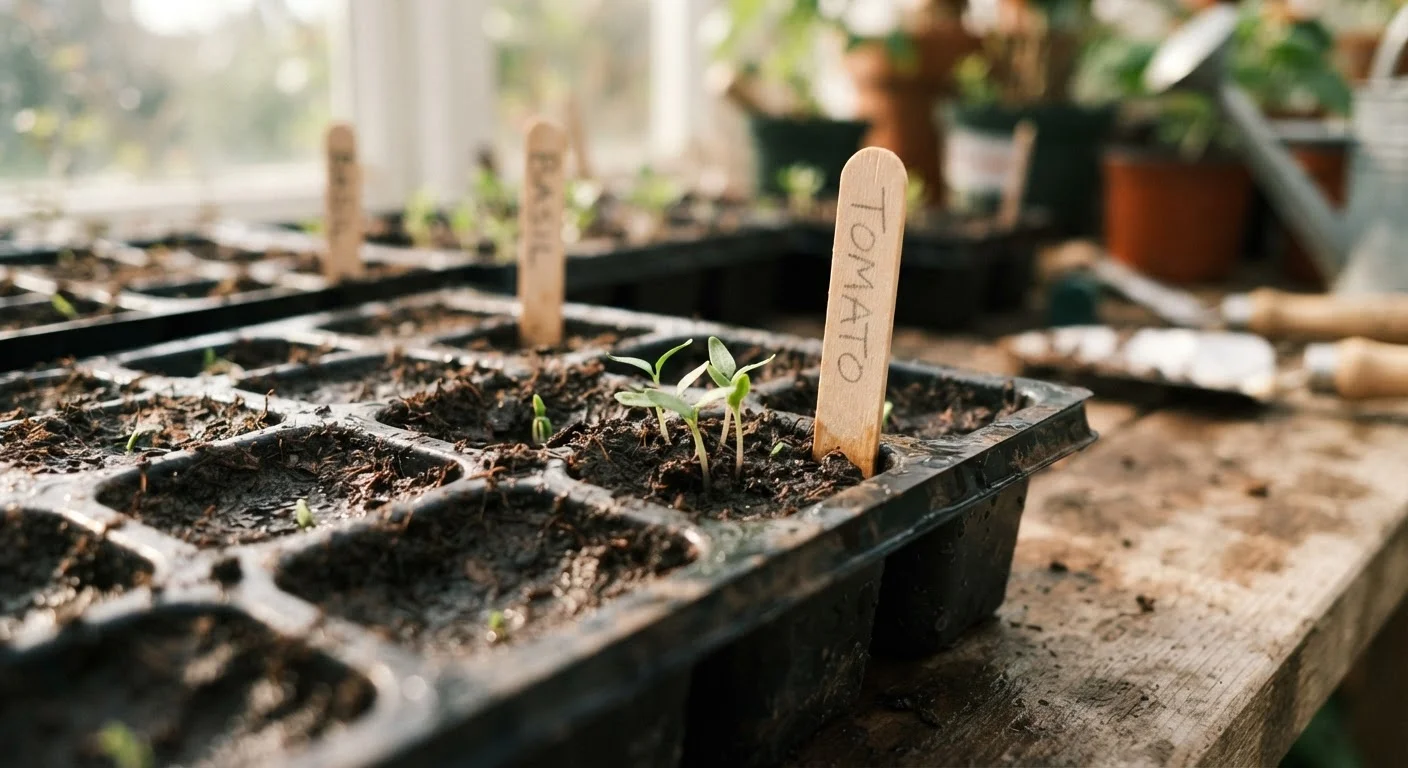
Why Germination Is More Delicate Than It Looks
A seed contains everything it needs to begin life - but only within a narrow set of conditions. When those conditions aren't met, the seed either stays dormant or dies quietly in the soil, leaving gardeners puzzled and discouraged. The good news is that most germination failures trace back to a small number of correctable mistakes, not inherent difficulty or bad luck.
Before you sow a single seed, it helps to understand the basics: seeds respond primarily to moisture, temperature, and oxygen - not to how much effort you put in. Getting those three factors right is the foundation. If you haven't already explored how soil composition and drainage affect plant health, the beginner's guide to soil, sunlight, and water is an excellent starting point.
The Most Common Mistakes - and How to Fix Them
The mistakes below account for the vast majority of germination failures reported by new gardeners. Each one is preventable once you know what to look for.
Planting seeds at the wrong soil temperature.
Why it happens: Gardeners often go by calendar date or air temperature, assuming that if it feels warm outside, it's warm enough for seeds. But soil temperature lags significantly behind air temperature, especially early in the season.
Burying seeds too deep.
Why it happens: New gardeners often assume deeper is safer - more protection from the elements. In reality, a seed has only a limited energy reserve to push a sprout toward the surface.
Keeping the growing medium too wet or too dry.
Why it happens: Watering feels like nurturing, so many beginners water frequently and heavily. Others forget that germinating seeds need consistent moisture and let the surface dry out completely between waterings.
Using old or poorly stored seeds.
Why it happens: Seeds look identical whether they are fresh or years old. Many gardeners save leftover seeds in a garage or junk drawer without realizing that heat, humidity, and light rapidly degrade viability.
Starting seeds in poor-quality or garden soil.
Why it happens: It seems logical to use the same soil that will eventually host the plant. But garden soil compacts in containers, drains poorly, and can harbor pathogens that kill delicate seedlings.
Don't Skip the Seed Packet
Every seed packet contains germination requirements specific to that variety - including ideal soil temperature, planting depth, and days to germination. Ignoring this information is the single fastest way to set yourself up for failure. Treat the packet as your primary instruction guide, not an afterthought.
Building Better Habits for the Long Term
Fixing germination problems is largely about building the right habits before you plant, not rescuing seeds after something goes wrong. Keep a simple garden notebook - record what variety you planted, when, at what depth, and the soil temperature on that day. When something doesn't sprout, you'll have real data to troubleshoot rather than guesses.
Once your seedlings are up and growing, consistent care becomes the next priority. Practices like checking soil moisture before watering, thinning overcrowded seedlings, and hardening off transplants before moving them outdoors all make a measurable difference. For a broader look at low-effort habits that keep a garden healthy all season, see good garden habits experienced growers rely on.
If you're still choosing what to grow, starting with forgiving, fast-germinating crops reduces the stakes while you build confidence. Easy vegetables for first-time growers offers solid options with built-in room for learning.
65-85°F
Optimal soil temperature for warm-season seed germination
According to university cooperative extension guidelines, most warm-season vegetables require this soil temperature range to germinate reliably.
~3 years
Average viability of properly stored vegetable seeds
Seed viability varies significantly by species; onion and parsnip seeds often decline after one year, while tomatoes and cucumbers can remain viable for up to five years under ideal storage conditions.
The content on this site is provided for informational purposes only and should not be considered a substitute for professional advice. While we strive to provide accurate and up-to-date information, we make no guarantees regarding its completeness or accuracy. Always consult a qualified professional for advice specific to your circumstances before making any decisions.