

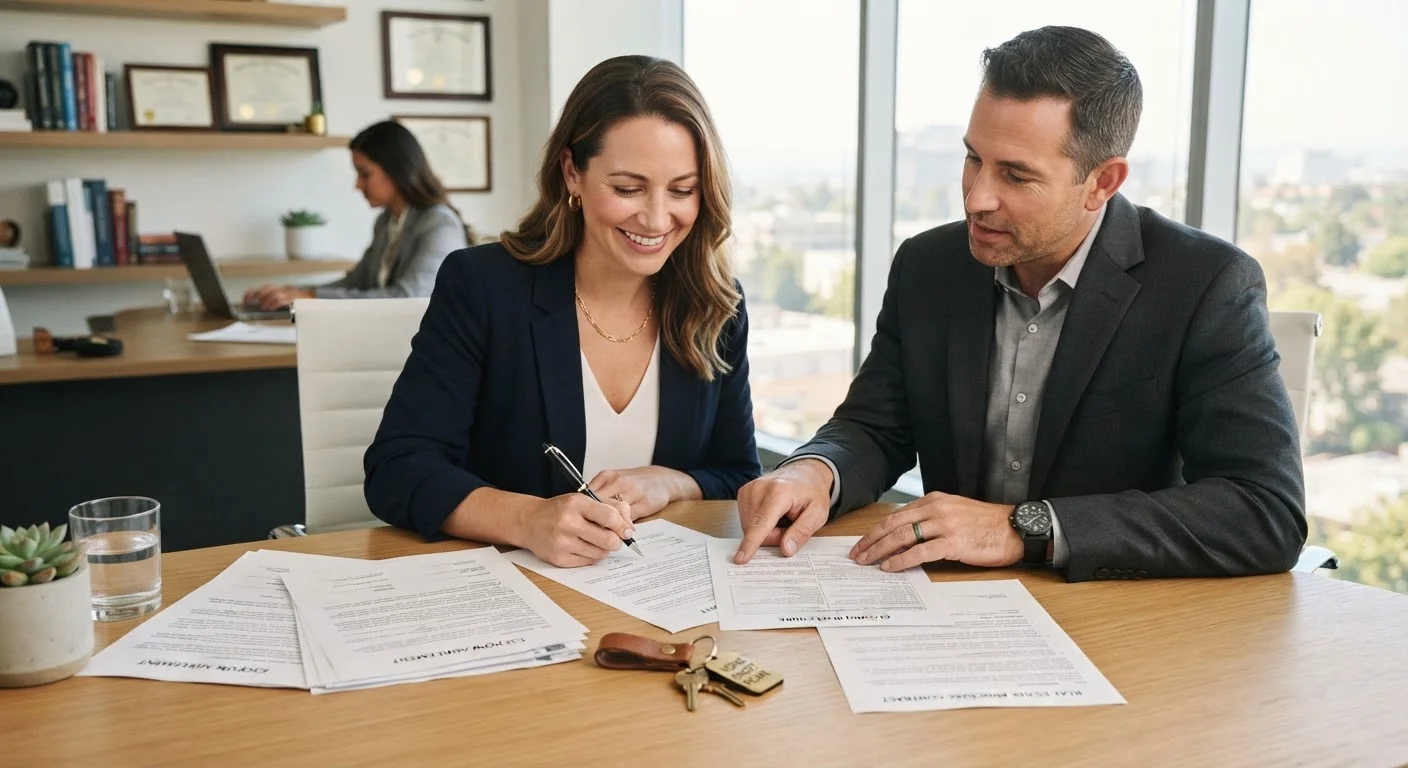
What Escrow Actually Is - and Why It Matters
Escrow is a legally structured process in which a neutral third party - the escrow company or escrow officer - holds funds, documents, and instructions on behalf of both the buyer and seller until all conditions of the sale are satisfied. It protects both parties by ensuring money and ownership don't transfer until every agreed-upon requirement is met.
Despite its importance, escrow is one of the most widely misunderstood stages of buying a home. Many buyers - first-timers and repeat purchasers alike - enter the process with assumptions that simply don't match how it works. Those gaps can lead to missed deadlines, unexpected costs, and in some cases, a collapsed deal. Understanding the mechanics before you're in the middle of one is the best preparation you can have.
This is also true more broadly in high-stakes transactions: just as buyers can miscalculate in car deals - see our piece on negotiation assumptions that hurt buyers - assumptions in real estate escrow carry even greater financial consequences.
The Most Costly Mistakes Buyers Make During Escrow
The mistakes below reflect patterns seen across both first-time buyers and experienced homeowners who underestimate escrow's complexity. Each one is avoidable - but only if you know to look for it.
Treating escrow as a passive waiting period with no buyer responsibilities.
Why it happens: Many buyers assume that once an offer is accepted, the transaction essentially runs itself until closing day.
Assuming escrow will close on the originally estimated date.
Why it happens: Buyers treat the estimated closing date as a firm deadline, then scramble when title issues, lender delays, or inspection negotiations push it back.
Not understanding that closing costs are separate from the down payment.
Why it happens: First-time buyers often budget only for the down payment, not realizing that escrow fees, title insurance, lender fees, and prepaid items can add 2-5% of the purchase price in additional costs.
Making major financial changes during the escrow period.
Why it happens: Buyers are excited about the new home and may purchase furniture, finance appliances, or switch jobs, not realizing lenders re-verify financial status before funding.
Assuming the escrow company represents their interests.
Why it happens: The term 'your escrow' implies a personal relationship, but the escrow holder is a neutral party that follows mutually agreed-upon instructions - not an advocate for either side.
Skipping a thorough review of contingency deadlines within escrow.
Why it happens: Buyers focus on the big milestones - inspection, appraisal - but miss smaller deadlines embedded in the contract that, if missed, can waive protections automatically.
For buyers concerned about what happens before escrow even opens, understanding common market timing misjudgments can help you enter a transaction in a stronger position from the start.
What to Expect at the Closing Table
Do Not Change Your Financial Profile During Escrow
Opening new credit accounts, making large purchases, changing jobs, or moving significant funds between accounts can trigger a lender re-evaluation - and potentially kill the deal. Your financial status should remain as stable as possible from the moment your offer is accepted until closing. Discuss any planned financial moves with your loan officer before acting.
The final days of escrow move quickly. Your escrow officer will prepare closing documents, coordinate with the lender to confirm funds, and work with the title company to verify that the property's title is clean and transferable. As a buyer, you'll typically receive a Closing Disclosure at least three business days before signing - federal law requires this window so you have time to review all final costs.
On closing day, you'll sign a substantial stack of documents, including the deed of trust, loan note, and various disclosures. Bring a government-issued photo ID and confirm in advance exactly how much you need to wire or bring in certified funds - personal checks are rarely accepted for the final settlement amount.
After signing, the lender funds the loan and the escrow officer records the deed with the county. Only at that point does ownership legally transfer. If you want to understand what else can surface in the final stages, our article on home inspection red flags covers findings that sometimes resurface at closing.
This article is for general informational and educational purposes only. Real estate transactions vary significantly by state, county, and individual circumstance. Readers should consult a licensed real estate professional, attorney, or financial adviser before making decisions specific to their situation.
The content on this site is provided for informational purposes only and should not be considered a substitute for professional advice. While we strive to provide accurate and up-to-date information, we make no guarantees regarding its completeness or accuracy. Always consult a qualified professional for advice specific to your circumstances before making any decisions.