

What Most Visitors Actually See
For many travelers, New Orleans begins and ends on Bourbon Street - a six-block stretch of bars, souvenir shops, and cover bands that bears little resemblance to how residents actually experience the city. Bourbon Street is real, but it functions more like a theme park overlay on top of a genuinely complex place.
As a short visit can shape a skewed impression of any destination, this is especially true in New Orleans, where the gap between tourist zones and lived neighborhoods is unusually wide. Understanding what you're missing requires knowing something about the city's actual geography and culture.
Verify Conditions Before You Travel
Neighborhood safety, festival schedules, venue hours, and local business operations can change. Before your trip, check official city sources and current travel information for the most accurate picture. Conditions in New Orleans - including weather - can also vary significantly by season.
The Neighborhoods That Define the City
New Orleans is organized into neighborhoods with genuinely distinct identities - not just different vibes, but different architectural vocabularies, demographic histories, and relationships to the broader city.
- Tremé sits just behind the French Quarter and is recognized as one of the oldest African American neighborhoods in the country. It is the cradle of jazz brass band culture and home to the Backstreet Cultural Museum, which documents Mardi Gras Indian traditions and second line history.
- The Marigny and Bywater, downriver from the French Quarter, are walkable, residential, and home to live music venues that cater primarily to locals. Frenchmen Street in the Marigny is a reliable place to hear live jazz, funk, and brass band music without the Bourbon Street atmosphere.
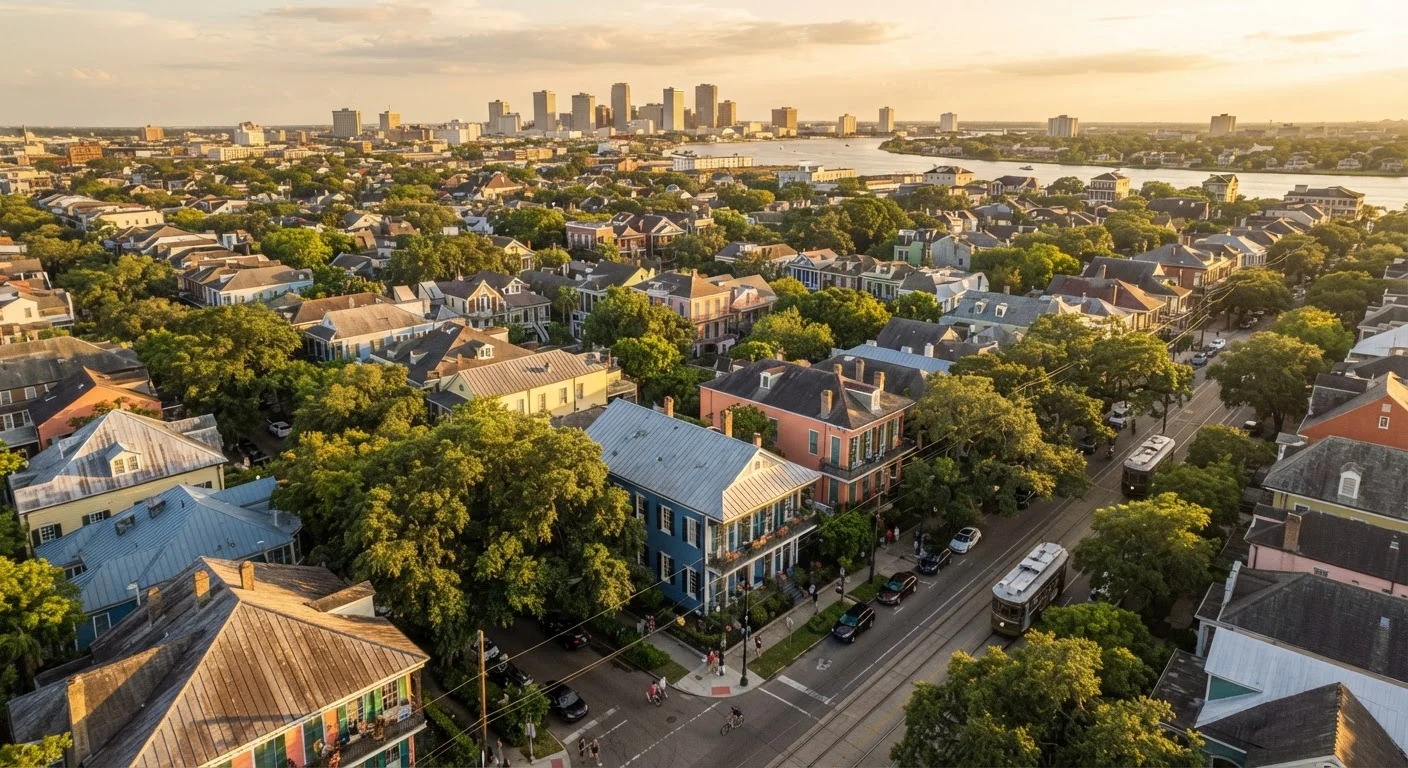
- The Garden District occupies the upriver stretch of St. Charles Avenue and is defined by large Greek Revival and Italianate mansions built by Anglo-American merchant families in the nineteenth century. The streetcar line on St. Charles Avenue is one of the oldest continuously operating street railways in the world.
- Mid-City and Gentilly are residential areas where many New Orleanians live and where neighborhood restaurants, corner bars, and community events are part of daily life rather than tourist programming.
Food as Cultural Geography
New Orleans cuisine is genuinely regional and historically layered - drawing from West African, French, Spanish, Native American, and Caribbean cooking traditions. But it is not uniform. What you eat, and where, tells you something about which part of the city you're in.
72+
Distinct recognized neighborhoods in New Orleans
The City of New Orleans officially recognizes more than 70 neighborhoods, each with its own planning district designation and cultural identity.
~1,800
Miles of streets with live oak canopy
New Orleans is home to one of the largest urban canopies of live oak trees in the South, shading residential streets throughout Uptown, Mid-City, and Gentilly.
Est. 1718
Year New Orleans was founded
Founded by French colonists, New Orleans is one of the oldest cities in the continental United States, giving its cultural traditions centuries to develop and layer.
The poboy - a sandwich on French bread - is ubiquitous, but the best versions are often found in neighborhood lunch counters rather than tourist-facing restaurants. Red beans and rice, traditionally served on Mondays, remains a weekly ritual in many households and local spots. Yakamein, a beef noodle soup with African and Asian culinary roots, is common at second lines and neighborhood bars. These aren't novelty items; they're the fabric of daily eating in the city.
Visitors willing to eat where locals eat - away from the French Quarter's high-traffic blocks - will encounter a more honest and often more affordable version of the city's food culture.
Music as Community Practice
New Orleans has a living music culture, not a preserved one. Brass bands perform at funerals, weddings, second line parades, and neighborhood bars. Jazz here evolved out of specific social and cultural conditions in this city, and its practice remains embedded in community life.
Second line parades - organized by Social Aid and Pleasure Clubs with roots in mutual aid organizations - take place on most Sundays during the fall and spring seasons. Routes are published in advance and the public is welcome to join. This is participatory culture, not performance for tourists.
The city also maintains a dense network of small music venues outside the French Quarter where cover charges are modest and the musicians are often the same ones who perform at festivals. These rooms are where musicians develop their craft and where locals actually spend their evenings.
Understanding the City's Architecture
New Orleans' built environment is unlike anywhere else in the United States, shaped by climate, culture, and the city's colonial history under French and Spanish rule. Shotgun houses - long, narrow structures where rooms connect in a straight line - are the most common residential form and are found throughout Black neighborhoods citywide. Creole cottages, with their street-facing facades and internal courtyards, dominate the older parts of the French Quarter and Tremé. The grand mansions of the Garden District reflect a different cultural and economic moment: Anglo-American prosperity in the antebellum era.
This architectural diversity is not decorative. Each style reflects specific social conditions, available materials, and responses to the subtropical climate. Recognizing these distinctions helps visitors read the city more accurately rather than treating it as a single aesthetic experience.
Frequently Asked Questions
Many popular visitor neighborhoods - including the Garden District, Magazine Street, and Marigny - are frequented by tourists and locals alike. As with any major American city, it's wise to stay aware of your surroundings, research specific areas before you go, and check current travel advisories through official sources. Conditions can vary significantly by block and time of day.
The Marigny and Bywater neighborhoods offer live music and local restaurants in a more residential setting. The Garden District is known for its antebellum mansions and Magazine Street's independent shops. The Tremé has deep historical significance as a center of African American cultural and musical history.
A second line is a community street parade rooted in New Orleans African American brass band tradition, often organized by Social Aid and Pleasure Clubs. The 'first line' is the band and club members; the 'second line' is everyone who joins along the route. These parades happen most weekends from fall through spring.
Outside tourist corridors, you'll find neighborhood institutions serving red beans and rice, poboys, yakamein, and Creole home cooking at modest prices. Many locally beloved spots receive little national press but have served the same community recipes for generations. Asking locals for recommendations tends to yield better results than following tourist lists.
Fall and early spring offer cooler weather and a dense calendar of neighborhood festivals and second line parades. Mardi Gras draws enormous crowds but also showcases the city's traditions authentically. Summer is hot and humid but less crowded, giving visitors a quieter experience of everyday New Orleans life.
The content on this site is provided for informational purposes only and should not be considered a substitute for professional advice. While we strive to provide accurate and up-to-date information, we make no guarantees regarding its completeness or accuracy. Always consult a qualified professional for advice specific to your circumstances before making any decisions.