

Our Verdict
Visiting a city and living in one are genuinely different experiences, and pretending otherwise leads to both over-romanticized travel decisions and unfair dismissals of destinations that don't perform well for tourists. The traveler who understands this gap will plan more honestly, adjust expectations more readily, and come away with a clearer picture of whether a place actually fits their life or just their itinerary.
Travelers who are considering relocation, extended stays, or slow travel-and anyone who wants to evaluate a destination more honestly before committing time and money.
The Tourist Filter: What Short Trips Actually Show You
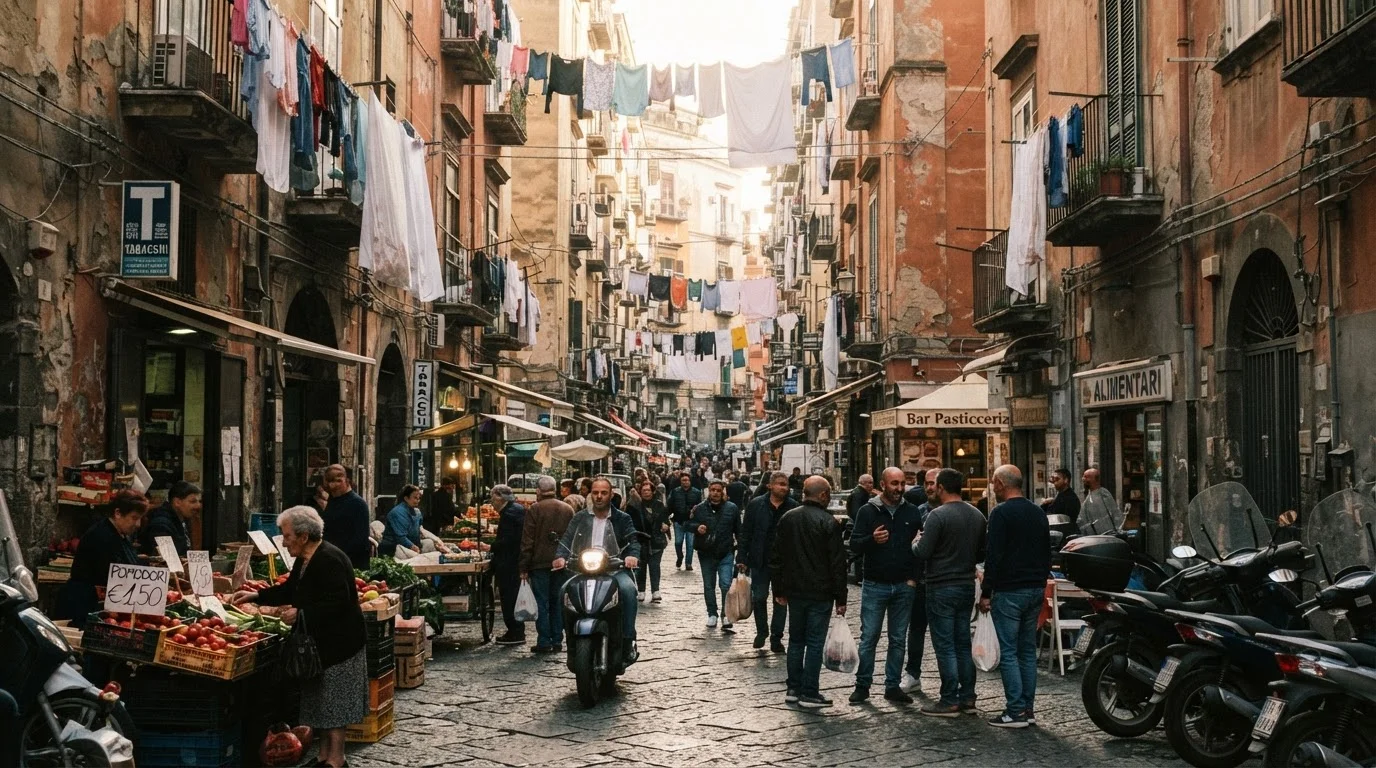
When you visit a city for three to five days, you are-almost by design-experiencing its most visitor-ready face. You stay near transit hubs or walkable downtown cores. You eat at restaurants that depend on foot traffic. You see landmarks that were built or preserved specifically because they draw people in. This is not a criticism of tourism; it's simply what short-trip logistics produce.
The problem arises when travelers mistake this curated slice for a complete picture. A weekend in a city's historic center tells you very little about what it costs to rent an apartment in a livable neighborhood, how reliable the transit is at 7 a.m. on a Tuesday, or whether the summers are genuinely pleasant or just tolerable with air conditioning.
For a deeper framework on evaluating destinations before you go, see how to read a destination honestly-a guide to cutting through marketing and review noise.
Pros of Forming Impressions as a Visitor
There are real advantages to the tourist vantage point-it's not all distortion. Understanding what visits do well can help you use that experience more effectively.
Concentrated access to highlights worth knowing about
Tourist infrastructure exists precisely to surface what's most significant-architecturally, historically, or culturally. A short visit efficiently covers ground that might take a resident years to explore deliberately.
Lower-stakes environment for forming first impressions
Without the pressure of daily obligations, visitors can assess a city's general feel, pace, and atmosphere with a kind of open attention that residents rarely sustain.
Useful reference point for targeted return visits
A first trip, even a shallow one, identifies which neighborhoods or aspects warrant deeper exploration-turning subsequent visits into more focused, informed investigations.
Easier to notice what stands out positively
Novelty sharpens observation. Visitors often notice design, food culture, public space quality, and social dynamics that residents have long since stopped registering.
Visitors also benefit from a kind of useful naivety: without the weight of routine, small pleasures register more sharply. That said, these advantages are most valuable when travelers recognize their limits.
Cons of Mistaking a Visit for Full Understanding
The gaps in tourist perception are significant-especially when travelers use short-trip impressions to make larger decisions about where to return, stay longer, or even relocate.
Tourist infrastructure hides everyday cost of living
Hotel rates, tourist-district restaurants, and curated experiences operate in a different economic register than everyday residential life. Visitors consistently underestimate how expensive-or affordable-a city actually is to live in.
Best-weather or peak-season visits skew livability perceptions
Many cities see their tourism peaks during the most pleasant weather windows. A traveler who visits Barcelona in May or Kyoto in autumn has experienced conditions that residents enjoy only a few months per year.
Neighborhood diversity stays largely invisible
Most visitors experience two or three central districts; the character, safety, and culture of outlying or residential neighborhoods-which define daily life for most residents-rarely enter the picture.
Transit quality at non-tourist times goes untested
Visitors rarely ride public transit during morning rush hours or late at night on weekdays. The reliability, crowding, and coverage gaps that shape residents' daily experience simply don't appear on a sightseeing schedule.
Local friction-bureaucracy, language barriers-is invisible
Navigating healthcare, banking, housing markets, or local government as a non-native speaker is a significant part of what living abroad or in an unfamiliar city involves-none of which appears during a standard visit.
Social impressions are based on hospitality, not community
The friendliness visitors encounter reflects how a city treats guests, not how neighbors interact with each other or how socially integrated an outsider might realistically become.
When the Gap Matters Most
The visitor-versus-resident gap is most consequential when travelers use trip impressions to inform bigger decisions-whether to return for an extended stay, pursue remote work from abroad, or consider relocation. A place that felt magical during a festival week may reveal a very different daily rhythm in an ordinary month. If you're evaluating a city for something beyond a vacation, build in at least one experience that mirrors ordinary life: a grocery run, a transit commute, a weekday morning in a residential neighborhood.
These blind spots are especially relevant for first-time visitors to Mexico City, where altitude, neighborhood variation, and safety perceptions consistently diverge from what a weekend actually reveals.
What Residents Experience That Visitors Almost Never Do
Daily life in any city is defined by friction that tourism buffers against. Residents navigate rush-hour transit crowding, navigate bureaucratic systems in a second language, manage relationships with local institutions, and absorb the cost of living across every category-not just hotel rates and restaurant tabs.
Seasonality is another major variable visitors miss. A city beloved in October may be oppressively humid in August, or functionally shut down during August holidays, or prone to flooding in spring. Visitors who experience only one season often carry an incomplete picture of a place's livability.
Neighborhood character also rarely travels through tourist channels. Most visitors cluster in a handful of central areas; the diversity of experience across a city's districts-ranging from quieter residential zones to industrial edges undergoing change-stays invisible. This is particularly true in countries where regional variation runs deep, as Portugal's regions illustrate clearly.
4-5 days
Average international trip length for American travelers
U.S. travel survey data consistently shows that most international leisure trips last under a week, limiting the depth of place-experience travelers accumulate.
~30%
Of city neighborhoods typically covered by tourism infrastructure
Urban geography research suggests that visitor activity concentrates in a small fraction of any city's total geographic and cultural footprint.
How to Build a More Honest Impression When You Travel
Travelers can close some of the gap between visitor and resident experience without abandoning the practical advantages of a structured trip. A few approaches make a meaningful difference.
Stay longer and slower. Even extending a trip from five days to ten-and spending some of that time in a single neighborhood rather than covering maximum ground-yields a noticeably different picture. See what a well-built itinerary actually looks like to structure this kind of trip effectively.
Use local infrastructure deliberately. Take transit during commute hours at least once. Shop at a neighborhood grocery store. Avoid relying exclusively on tourist-facing options. Getting around an unfamiliar city like a local starts with using the same systems locals depend on.
Seek out resident perspectives directly. Expat forums, neighborhood subreddits, and slow-travel communities often surface candid accounts of what living in a city is actually like-the kind of detail no travel guide publishes because it doesn't sell the destination.
Interrogate your own enthusiasm. If you loved a place, ask whether you loved it because it was genuinely well-suited to you or because the conditions of your visit were unusually favorable. Common trip planning myths often trace back to this exact confusion.
The content on this site is provided for informational purposes only and should not be considered a substitute for professional advice. While we strive to provide accurate and up-to-date information, we make no guarantees regarding its completeness or accuracy. Always consult a qualified professional for advice specific to your circumstances before making any decisions.