

Start here
What Solo Travel Actually Feels Like
Next
Planning Basics Before You Leave
Then
Safety Awareness Without Paranoia
When you're ready
The Mindset Shifts That Make It Work
Before you go
Common Challenges and How to Handle Them
What Solo Travel Actually Feels Like
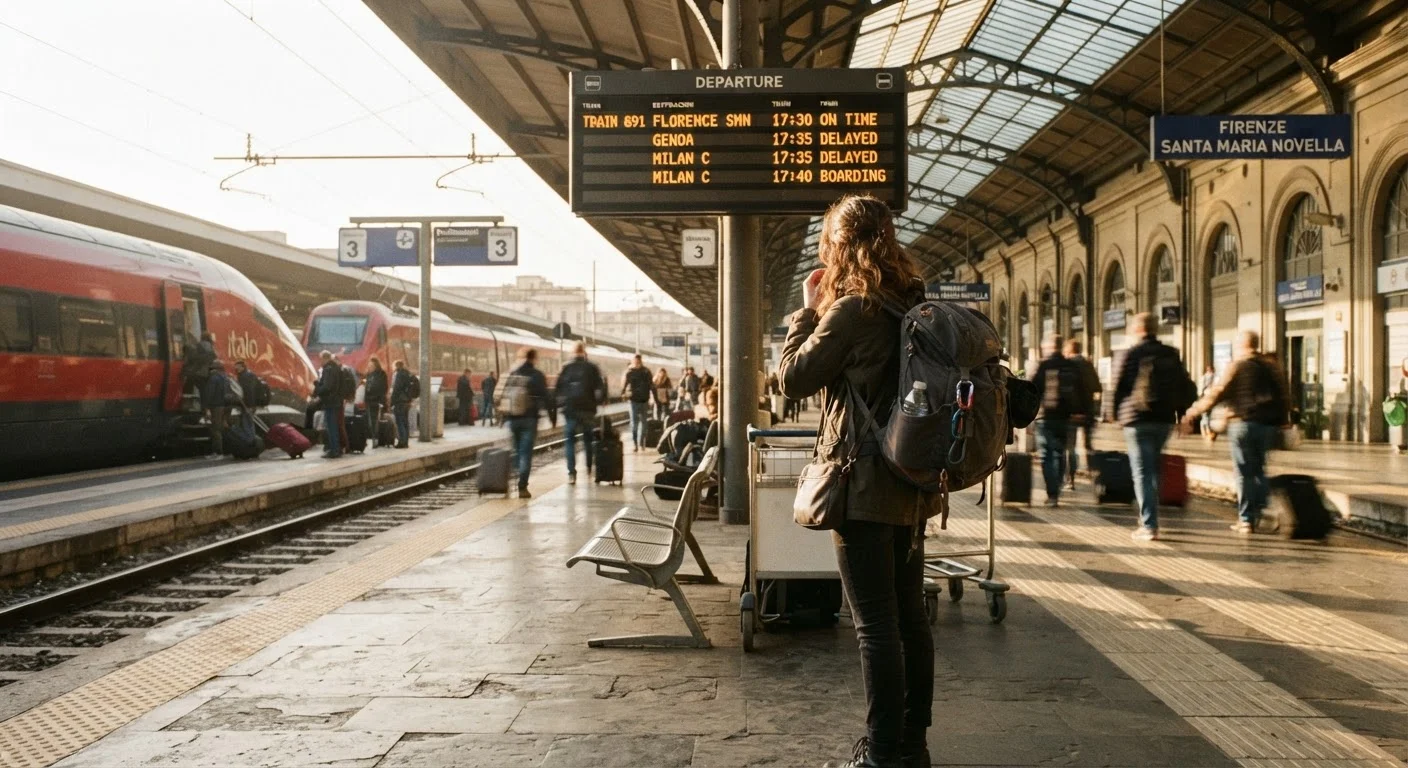
Most first-time solo travelers describe a predictable emotional arc: excitement before departure, a sharp jolt of reality at arrival, and then - within a day or two - a surprising sense of capability. That middle phase, the arrival jolt, is what catches people off guard. No one is waiting. All decisions are yours. If the accommodation isn't what you expected, you figure it out alone.
This isn't a warning to scare you off. It's the thing most travel content skips over in favor of highlight-reel photography. Understanding that discomfort is part of the early experience - not a sign you made a mistake - is one of the most useful things you can know going in.
Solo travel also tends to surface a version of yourself you don't often meet at home. When you navigate a transit system in a language you don't speak, eat dinner at a restaurant where you don't know anyone, or make a last-minute plan change entirely on your own terms, you learn things about your own resourcefulness and preferences that group travel rarely reveals. See our comparison of solo and group trip logistics for a fuller picture of how the two experiences differ.
Planning Basics Before You Leave
Solo travel rewards preparation without punishing flexibility. The goal isn't to script every hour - it's to have enough structure that you're not making exhausted decisions in an unfamiliar place at midnight.
- First night sorted: Always confirm where you're sleeping on night one and how you'll get there from your arrival point.
- Documents backed up: Store digital copies of your passport, travel insurance, and key bookings in a secure cloud location and email them to a trusted contact at home.
- Emergency contacts saved: Note your destination country's emergency number, your home country's nearest embassy, and your insurance provider's 24-hour line.
- Itinerary shared: Someone at home should know your rough plans and how to reach you.
Beyond logistics, evaluate your destination carefully before committing. Reading a destination honestly - cutting through marketing to assess real conditions - is a skill worth developing early. For a step-by-step approach to the full planning process, the ground-up trip planning primer covers the fundamentals from destination research to packing.
Start with a shorter trip to calibrate
If you've never traveled alone, a two- or three-night domestic trip is a low-stakes way to discover your solo travel style before committing to something longer or international. You'll quickly learn how you handle downtime alone, how much planning you actually want, and what kind of accommodations suit you. That self-knowledge makes your first big solo trip significantly easier to plan well.
Safety Awareness Without Paranoia
Safety on a solo trip is less about avoiding certain places and more about maintaining consistent, sensible habits. The goal is awareness - not anxiety.
A few habits that experienced solo travelers rely on:
- Keep your most important items - passport, cards, and phone - distributed across two separate locations on your body or in your bag, not all in one wallet.
- When you arrive somewhere new, orient yourself in daylight before you need to navigate after dark.
- Trust your instincts. If a situation feels off, removing yourself is always acceptable, regardless of how that might look socially.
- Be cautious about how much you share with strangers about your accommodation, travel plans, or the fact that you're alone.
Entry requirements, local laws, and safety conditions vary significantly by destination and can change. Always verify current travel advisories through your government's official travel information service - in the U.S., that's the State Department's travel website - before departing, not just when you start planning.
The Mindset Shifts That Make It Work
The travelers who struggle most on solo trips are often those who try to replicate a group travel experience alone - filling every hour, avoiding slow moments, and measuring success by how much they did. Solo travel requires a different operating mode.
Embrace slow time. A quiet afternoon in a café where you people-watch and read isn't wasted - it's often where the most memorable observations happen. You don't owe anyone a packed itinerary.
Reframe "awkward" moments. Eating alone, getting lost, or asking for directions repeatedly are not failures. They're the texture of independent travel. Most locals appreciate a traveler who's genuinely trying to navigate their city respectfully.
Stay curious about your own reactions. Solo travel is unusually good at surfacing your actual preferences - what energizes you, what drains you, what kinds of environments you thrive in. Pay attention to that data. It will shape every future trip you take.
If you're planning to travel solo in a destination with complex logistics - like rail-heavy Europe - it helps to understand the infrastructure first. Our guide on traveling through Europe by train lays out what to realistically expect from cross-border rail travel.
Common Challenges and How to Handle Them
No first solo trip is without friction. Here's what commonly comes up and how to approach it practically:
- Language barriers
- Download an offline translation app before you leave - connectivity isn't guaranteed everywhere. Learning a handful of words in the local language (please, thank you, excuse me, where is) goes a long way relationally, even if your pronunciation isn't perfect.
- Decision fatigue
- Making every choice alone - where to eat, what to do next, whether to stay or move on - can be genuinely tiring. Give yourself permission to default to simple, low-stakes decisions when your energy is low. A familiar meal or a night in with a book is not a travel failure.
- Unexpected plan changes
- Flights get cancelled. Accommodation falls short of its listing. Attractions are closed. Solo travel exposes you to these disruptions without a buffer. Staying calm and having a rough backup plan for key logistics (an alternative accommodation area, a refund policy you've read in advance) reduces the impact significantly.
- Loneliness
- It happens, especially on the first day. Social accommodations like hostels, joining a guided walk, or sitting somewhere public rather than retreating to your room can shift the dynamic quickly. If deeper loneliness persists, it's worth reflecting honestly on whether solo travel suits your current needs - that's not a character flaw, it's self-awareness.
For those considering a domestic solo road trip as an entry point, the first road trip primer covers the practical basics that most planning guides leave out. And if you're drawn to a complex but rewarding solo destination, our introduction to Japan for first-time visitors offers an honest look at navigating a country that's unusually solo-traveler-friendly despite its logistical complexity.
Frequently Asked Questions
Solo travel carries risks, but most are manageable with preparation and situational awareness. The key is researching your destination honestly, staying alert in unfamiliar areas, and having a plan for common scenarios like lost documents or illness. Always verify current travel advisories through official government sources before you go.
Loneliness is common in the first day or two of a solo trip, especially if you're introverted or coming from a busy social environment. Staying in social accommodations, joining walking tours, or simply eating at a bar counter rather than a private table can organically create conversation. Most travelers find the feeling passes quickly.
At minimum, book your first night's accommodation and have your arrival transport confirmed before landing somewhere new. Leaving the rest flexible is fine - and often ideal - once you're oriented. Popular destinations during peak season may require more advance booking for specific stays or activities.
Save the local emergency number, your country's embassy or consulate contact, and your travel insurance hotline before departure. Share your itinerary with someone at home who can act as a point of contact. A physical copy of key documents stored separately from the originals can be a lifesaver if your bag is lost or stolen.
Travel insurance is strongly worth considering for solo travelers, since there's no travel companion to cover costs or assist if something goes wrong. Policies typically cover trip cancellation, medical emergencies, and lost luggage, though coverage varies significantly. Review policy details carefully and verify what's included before purchasing.
There's no universal answer - the right first destination depends on your comfort with language barriers, budget, travel style, and interests. Generally, destinations with strong tourist infrastructure, clear signage, and a history of welcoming independent travelers are more forgiving for beginners. Research honestly using tools beyond marketing materials.
The content on this site is provided for informational purposes only and should not be considered a substitute for professional advice. While we strive to provide accurate and up-to-date information, we make no guarantees regarding its completeness or accuracy. Always consult a qualified professional for advice specific to your circumstances before making any decisions.