

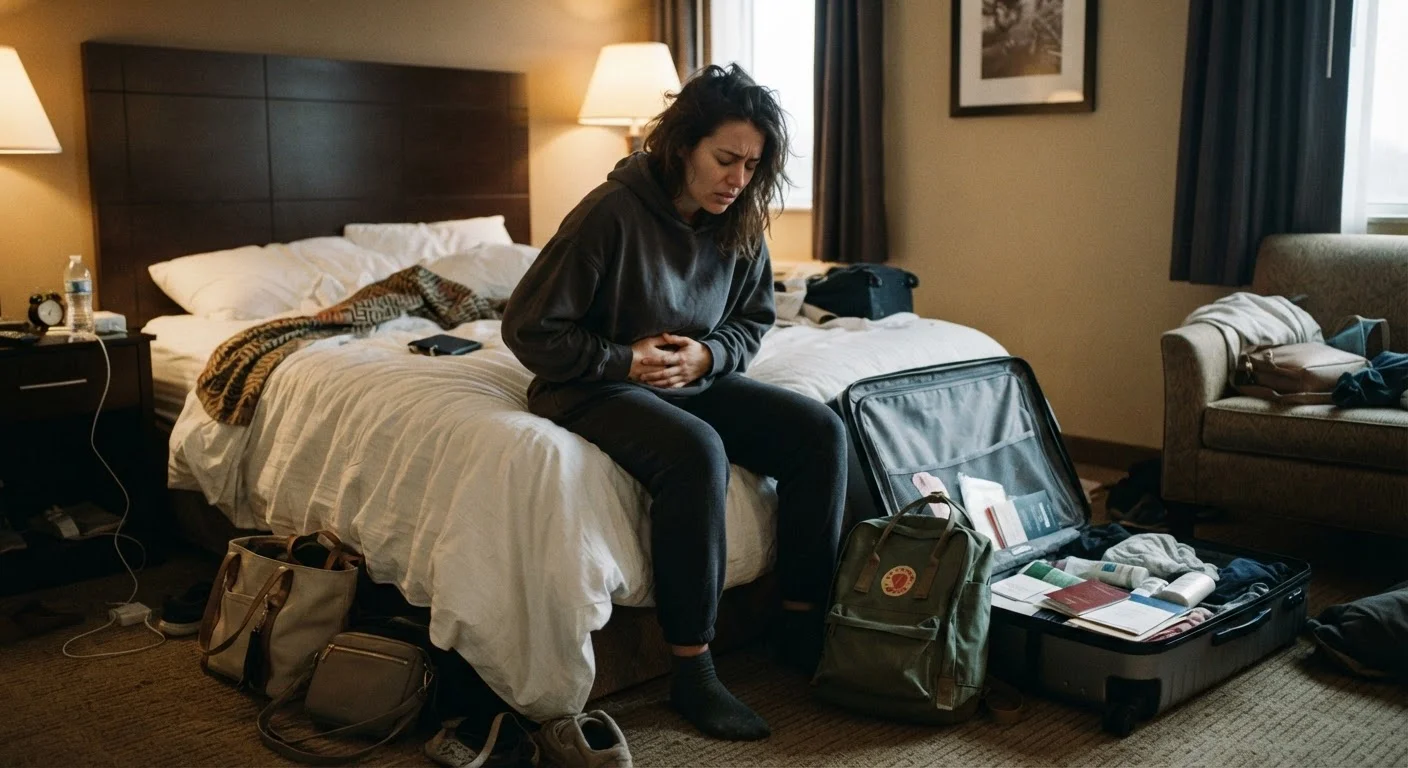
The Mistakes That Actually Make Travelers Sick
Most travel illness isn't bad luck - it's the predictable result of a few avoidable errors. Understanding where things go wrong gives you a real chance to stay healthy on the road. The mistakes below are among the most common, and each one has a practical fix.
Skipping a pre-travel medical consultation, even for popular destinations.
Why it happens: Many travelers assume a routine trip doesn't require medical preparation, or they only consider vaccines for "exotic" locations.
Drinking tap water or consuming ice without verifying local water safety.
Why it happens: Travelers apply home-country assumptions about water quality to destinations with very different infrastructure, or they forget that ice and fresh produce washed in tap water carry the same risk.
Ignoring early symptoms of altitude sickness and pushing through activity.
Why it happens: Altitude sickness symptoms - headache, fatigue, nausea - can resemble jet lag or dehydration, so travelers dismiss them and continue with planned activities.
Letting jet lag and sleep deprivation go unmanaged in the first days of travel.
Why it happens: Travelers are eager to maximize their trip and resist resting, not realizing that significant sleep disruption meaningfully weakens immune function right when they're most exposed to unfamiliar pathogens.
Assuming travel insurance automatically covers emergency medical care and evacuation.
Why it happens: Coverage details are rarely read in full before purchase, and many travelers conflate trip cancellation coverage with medical coverage.
For a broader look at how planning gaps lead to bigger trip disruptions, see why travel plans fall apart.
Protecting Yourself Without Ruining the Trip
Staying healthy abroad doesn't mean eating only packaged food or avoiding local culture. It means applying a few consistent habits that address your actual risk profile.
20-60%
Travelers affected by traveler's diarrhea
The CDC estimates that between 20 and 60 percent of international travelers experience traveler's diarrhea, depending on destination and travel style.
25%
Visitors affected by altitude sickness in high-altitude cities
Roughly one in four visitors to high-altitude destinations such as Cusco, Peru report symptoms of acute mountain sickness, according to travel medicine literature.
~50%
Travelers who don't seek pre-travel health advice
Studies published in travel medicine journals suggest that fewer than half of international travelers consult a healthcare provider before visiting destinations with significant health risks.
Food and Water Safety
The phrase "boil it, cook it, peel it, or forget it" remains sound guidance in destinations where tap water quality is uncertain. Beverages are an often-overlooked vector - ice made from tap water carries the same risk as drinking it directly. Opt for sealed bottled water, and use it for brushing teeth as well. Hot, freshly cooked food served at temperature is generally safer than cold buffet items that have been sitting out.
Know When to See a Doctor Abroad
A mild stomach upset often resolves on its own with rest and oral rehydration. But high fever, blood in stool, severe dehydration, difficulty breathing, chest pain, or symptoms that worsen after 48 hours are signals to seek medical care promptly. Having emergency contacts and your insurance information easily accessible speeds up that process considerably. If you're heading somewhere remote, understand what medical infrastructure exists before you go - not after you need it.
Because medical costs abroad can be substantial, understanding what your coverage actually includes matters. Our guide to travel insurance coverage explains what policies typically do and don't cover, including medical evacuation. You should also review common travel insurance myths that catch travelers off guard.
Altitude-Specific Planning
If your destination sits above 8,000 feet - cities like Cusco, Peru, or La Paz, Bolivia fall well above that threshold - plan for an acclimatization day or two before strenuous activity. Ascending gradually, staying well-hydrated, and avoiding alcohol in the first 24-48 hours all reduce symptoms. If you're visiting Mexico City, altitude is one of the factors most American travelers underestimate.
This article provides general travel health information for educational purposes and is not a substitute for personalized medical advice. Consult a qualified healthcare provider or travel medicine specialist before your trip, particularly regarding vaccinations, medications, or health conditions that may affect your travel plans.
The content on this site is provided for informational purposes only and should not be considered a substitute for professional advice. While we strive to provide accurate and up-to-date information, we make no guarantees regarding its completeness or accuracy. Always consult a qualified professional for advice specific to your circumstances before making any decisions.