

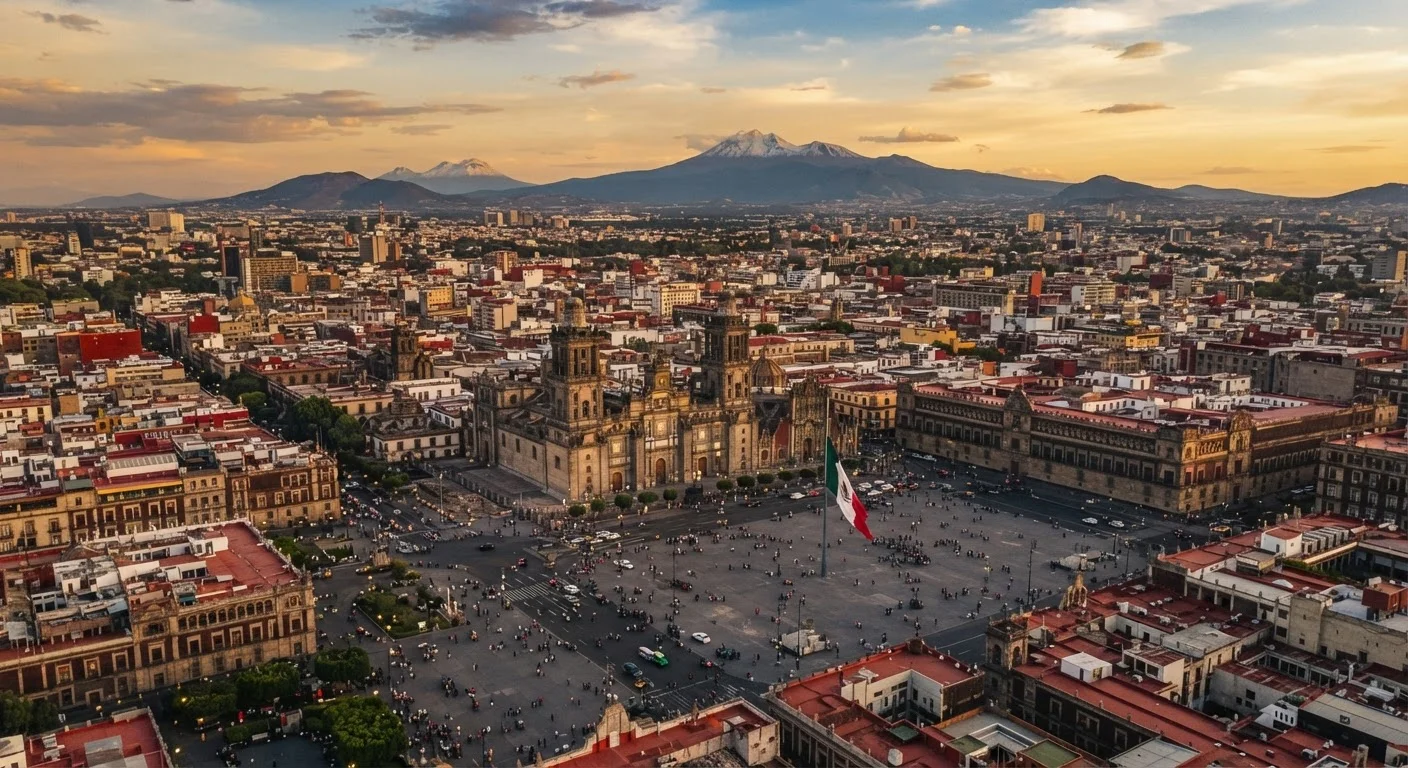
Why Mexico City Catches First-Timers Off Guard
Mexico City is one of the largest cities in the Western Hemisphere - a place of extraordinary museums, world-class cuisine, and deep pre-Columbian history. Yet American travelers consistently arrive underprepared for its specific realities. The surprises aren't usually dangerous; they're the kind that make your first two days harder than they need to be. Understanding what trips people up is the most practical preparation you can do before you land.
For broader context on how short visits shape skewed impressions of any major city, see how tourist impressions often miss the point. And if you're still evaluating whether the trip is right for you, reading a destination honestly before you go offers a useful framework.
Common Mistakes Visitors Make - and How to Avoid Them
The following mistakes come up repeatedly among first-time visitors. Each is avoidable with modest planning.
Ignoring the altitude until symptoms appear.
Why it happens: Mexico City doesn't look like a mountain destination, so travelers don't mentally prepare for elevation. At roughly 7,350 feet above sea level, the city sits higher than many well-known mountain resorts.
Treating all neighborhoods as interchangeable.
Why it happens: Mexico City is enormous - roughly 573 square miles - and visitors often book accommodation based on price rather than location, ending up far from where they want to spend their time.
Applying a blanket safety judgment to the entire city.
Why it happens: Broad media coverage of crime in parts of Mexico leads many Americans to either avoid the city entirely or, conversely, dismiss all safety considerations once they arrive.
Avoiding all street food out of excessive caution - or eating carelessly.
Why it happens: Traveler's diarrhea is a real risk, but overcorrection leads visitors to miss one of the city's most celebrated cultural experiences. Conversely, eating from low-traffic stalls with no visible sanitation raises genuine risk.
Underestimating the city's scale and travel time between sites.
Why it happens: Maps compress distances, and visitors often schedule multiple neighborhoods or attractions in a single day without accounting for traffic, which in Mexico City can be severe.
7,350 ft
Mexico City's elevation above sea level
This places the city higher than many recognized mountain destinations, making altitude adjustment a real concern for visitors arriving from low-elevation U.S. cities.
~573 sq mi
Geographic area of Mexico City proper
The city's vast footprint means neighborhoods can feel like entirely separate cities - underscoring why location-aware planning matters for first-time visitors.
Moving Around the City Safely and Efficiently
Getting around Mexico City is genuinely manageable once you understand the landscape. The Metro system is extensive and inexpensive, but during peak hours it becomes extremely crowded - pickpocketing is a known risk in congested cars. Many visitors find that combining Metro rides with ride-share apps (widely available and generally reliable in the city's tourist-frequented zones) strikes a reasonable balance between cost and comfort.
Street taxis hailed at random carry a higher risk than app-booked rides, where your driver's identity is logged and the route is tracked. This is standard travel-safety guidance in many large cities worldwide, not unique to Mexico City. For a fuller picture of navigating unfamiliar urban transit, the practical guide to getting around in an unfamiliar city covers transit apps, walking navigation, and asking locals effectively.
More essential travel tips for safer, smarter trips can help you apply these principles across any destination you're planning to visit.
Travel conditions, safety advisories, and entry requirements can change. Always verify current information through official U.S. government sources and your airline or accommodation provider before traveling.
The content on this site is provided for informational purposes only and should not be considered a substitute for professional advice. While we strive to provide accurate and up-to-date information, we make no guarantees regarding its completeness or accuracy. Always consult a qualified professional for advice specific to your circumstances before making any decisions.