

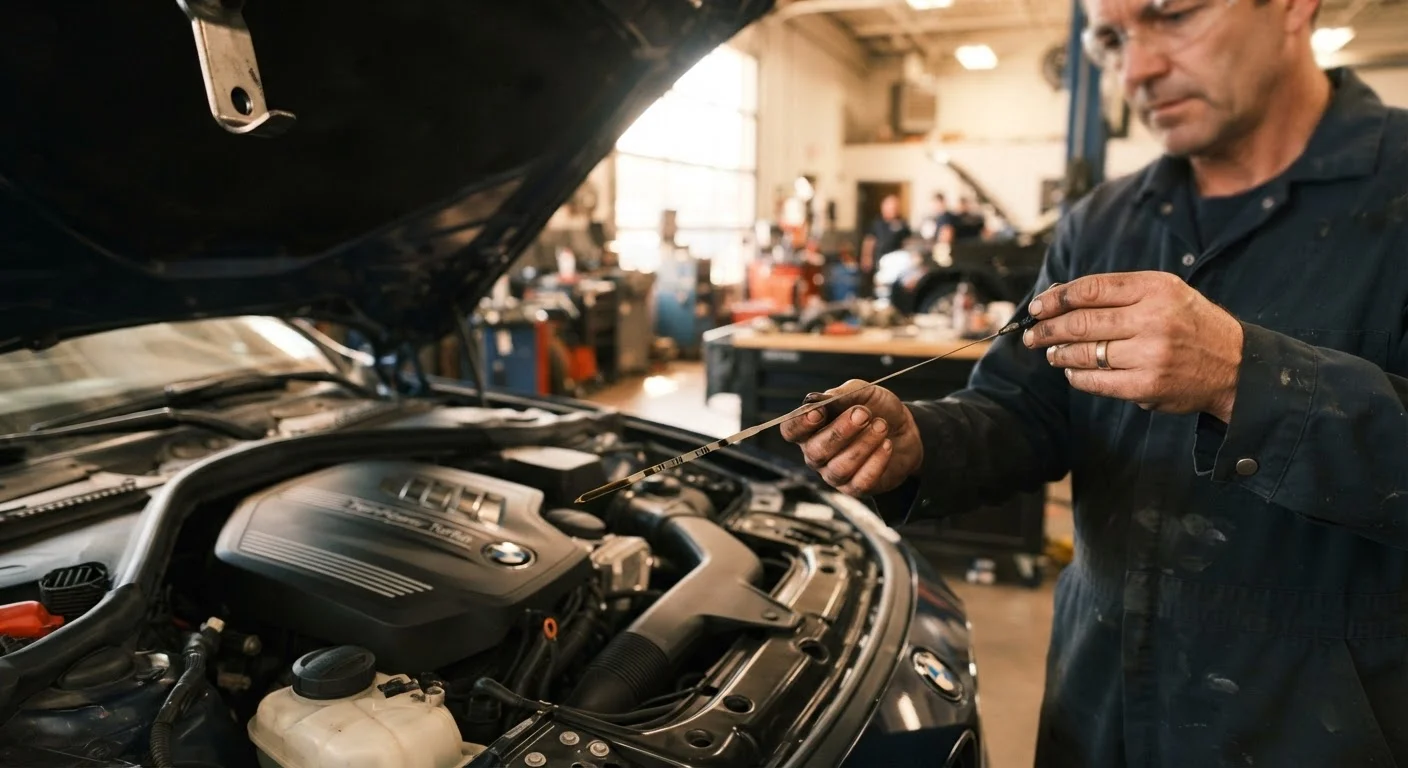
Why Car Maintenance Myths Are Surprisingly Stubborn
Automotive advice has a long shelf life - often longer than it deserves. Many beliefs drivers hold today were reasonable guidance for vehicles built decades ago but simply don't apply to modern cars. The problem is that outdated advice rarely announces itself as outdated. It gets passed from parent to child, repeated at gas stations, and occasionally reinforced by well-meaning service advisors who may be working from habit rather than current data.
The stakes are real. Following the wrong maintenance advice can lead to unnecessary spending, premature part wear, or worse - neglecting something that genuinely needs attention. The most reliable source for your specific vehicle is the owner's manual, which outlines service intervals and requirements based on actual engineering rather than general assumptions. See our guide to understanding your owner's manual for a practical walkthrough of the sections that matter most.
Below, we address some of the most common car maintenance misconceptions - and what the evidence actually supports.
Common Car Maintenance Myths - Corrected
These are among the most widely repeated beliefs in American car culture, along with what current automotive knowledge actually tells us.
Myth
You should change your oil every 3,000 miles, no matter what.
Fact
Most modern vehicles can go 5,000 to 10,000 miles or more between oil changes, depending on the oil type and engine design.
The 3,000-mile rule originated when motor oils and engine tolerances were far less refined than they are today. Modern full-synthetic oils - combined with tighter engine manufacturing - allow many vehicles to safely extend oil change intervals well beyond that threshold. Changing oil more frequently than necessary doesn't harm the engine, but it does waste money and generate unnecessary waste oil.
The right interval depends on your specific vehicle, the type of oil used, and your driving conditions. Frequent short trips, towing, or extreme temperatures can warrant shorter intervals. Consult your owner's manual, or see our detailed breakdown of oil change intervals to understand what actually drives the schedule. For a deeper look at oil types, our synthetic vs. conventional motor oil guide covers the tradeoffs plainly.
Myth
You need to let your car idle and warm up for several minutes before driving in cold weather.
Fact
Modern fuel-injected engines warm up faster and more efficiently under light driving load than while sitting idle.
This advice made sense for older carbureted engines, which needed time to reach operating temperature before they could run smoothly. Today's fuel-injected vehicles - which represent virtually all cars sold in the US since the late 1980s - reach operating temperature more efficiently when driven gently, rather than left running in the driveway.
Extended idling in cold weather wastes fuel, increases engine wear through oil dilution, and contributes to emissions. A reasonable approach: start the vehicle, give it about 30 seconds, and then drive gently until the temperature gauge begins to rise. The engine will warm up faster, and wear will actually be reduced compared to long idle periods.
Myth
Premium gasoline gives every car better performance and mileage.
Fact
Premium fuel only benefits engines specifically engineered to require or recommend it.
Premium gasoline has a higher octane rating, which matters for high-compression or turbocharged engines that are designed around it. For engines built to run on regular unleaded, using premium provides no measurable performance or efficiency benefit - you're simply paying more at the pump for fuel your engine cannot take advantage of.
Your owner's manual will clearly state whether your vehicle requires premium fuel, recommends it, or is designed for regular. Required means the engine may knock or sustain damage on lower octane fuel. Recommended typically means performance may be marginally better with premium, but regular is acceptable. If your car specifies regular, premium is an unnecessary expense.
Myth
If a tire looks inflated, the pressure is probably fine.
Fact
Tires can be significantly under-inflated without appearing visually flat, making regular pressure checks essential.
A tire can lose 20-30% of its recommended pressure and still appear full to the eye. Under-inflation increases rolling resistance, accelerates tread wear, reduces fuel efficiency, and - critically - raises the risk of tire failure at highway speeds. Visual inspection simply cannot catch these conditions reliably.
Tire pressure should be checked with a gauge when tires are cold (before driving or after the car has been parked for at least three hours), and compared against the recommended pressure listed in your owner's manual or on the placard inside the driver's door jamb - not the maximum pressure stamped on the tire sidewall. For a complete guide, see our tire maintenance overview.
Myth
You must get your car serviced at the dealership to keep the warranty valid.
Fact
Under federal law, manufacturers generally cannot require you to use dealership service to maintain a new-car warranty, as long as maintenance is performed correctly and documented.
The Magnuson-Moss Warranty Act generally prohibits manufacturers from voiding a warranty simply because the owner used an independent shop for routine maintenance - provided the work was done correctly and with appropriate parts. This doesn't mean all shops are equal or that poor-quality service can't create problems, but the dealership-or-void-warranty claim is largely a myth.
Keep clear records of all maintenance performed, including receipts and the type of products used. Proper documentation protects you if a warranty dispute arises. When in doubt about what your specific warranty covers, review the warranty documentation directly or consult a consumer protection resource.
Putting Accurate Maintenance Into Practice
Replacing myth-based habits with evidence-based ones doesn't require mechanical expertise. A few practical shifts make a significant difference.
Check your owner's manual first. Before following any general advice - including the guidance in this article - verify it against your vehicle's manufacturer recommendations. Every car is different, and the manual reflects your engine, drivetrain, and design specifically.
Track your service history. Knowing when maintenance was last performed helps you stay on schedule and avoid both over-servicing and under-servicing your vehicle. Our guide to keeping a maintenance log explains how to build a simple, useful record. You can also start with basic DIY checks that require no tools and take only minutes.
Know when to defer to a professional. Some maintenance tasks - brake inspections, suspension work, anything involving your fuel or electrical systems - should be handled by a qualified mechanic. Don't let myth-driven overconfidence lead to skipped service that turns into costly repairs. As we explore in our piece on why skipping maintenance costs more than you think, deferred upkeep compounds quickly.
The content on this site is provided for informational purposes only and should not be considered a substitute for professional advice. While we strive to provide accurate and up-to-date information, we make no guarantees regarding its completeness or accuracy. Always consult a qualified professional for advice specific to your circumstances before making any decisions.