

Why Electrical Myths Are Uniquely Dangerous
Most home improvement mistakes are recoverable - a badly patched wall can be re-mudded, a crooked tile can be reset. Electrical mistakes operate differently. A miswired outlet or an overloaded circuit can cause harm hours, days, or even years after the work is done, often with no visible warning. That gap between action and consequence is exactly why electrical misconceptions are so persistent and so dangerous.
The myths below are not fringe ideas. They circulate in hardware store conversations, online forums, and well-meaning advice passed down through families. Correcting them isn't about discouraging homeowners from engaging with their homes - it's about making sure the engagement is grounded in what's actually true. For a broader look at how the same pattern plays out in other areas of the home, see our guide on plumbing myths that could leave you with a flooded floor.
Myth
If I flip the light switch off, the wiring behind the switch is safe to work on.
Fact
Switching off a light switch only interrupts the circuit's hot wire to the fixture - the wires in the box often remain energized.
A standard single-pole switch controls the flow of power to one point in a circuit, but the power supply itself continues running to the switch box. Unless you have turned off the correct circuit breaker and confirmed the power is off with a non-contact voltage tester, the wiring can still deliver a dangerous shock. Always test before touching any wire, even after flipping a switch.
Myth
Installing a higher-amp breaker gives you more capacity and prevents nuisance trips.
Fact
A breaker is sized to protect the wiring, not for convenience. Upsizing it can allow more current than the wire is rated for, creating a fire hazard inside your walls.
Circuit breakers and fuses are matched to the wire gauge in each circuit. A 15-amp breaker protects 14-gauge wire; a 20-amp breaker is paired with 12-gauge wire. If a breaker trips frequently, that is a signal worth investigating - it means the circuit is being overloaded or there is a fault. Replacing it with a higher-rated breaker silences the warning without fixing the underlying problem, and overheated wiring inside walls is a leading cause of residential fires.
Myth
Rubber-soled shoes protect you from electrocution while doing electrical work.
Fact
Standard footwear does not provide reliable electrical insulation against household voltage levels.
Electrically rated (EH-rated) boots are tested to specific insulation standards, but ordinary rubber soles on sneakers or work boots are not. The protection they offer is inconsistent and depends on the shoe's condition, moisture present on the floor, and the voltage involved. The only reliable protection is de-energizing the circuit at the breaker and verifying with a tester - not relying on your footwear.
Myth
Electrical tape over a damaged wire is a safe, permanent fix.
Fact
Standard electrical tape is a temporary measure, not a code-compliant repair for damaged insulation or exposed conductors.
Electrical tape can degrade over time, particularly in areas with heat or moisture. For damaged wire insulation, the proper repair depends on the extent of the damage - it may involve replacing a section of wire, using approved wire connectors inside a junction box, or replacing the run entirely. Tape-wrapped wiring that is buried inside walls or junction boxes without covers is a code violation in most jurisdictions and a genuine fire risk.
Myth
As long as something works, the wiring is fine.
Fact
Functioning devices do not confirm that underlying wiring is safe - many serious electrical hazards produce no obvious symptoms until a fire or shock occurs.
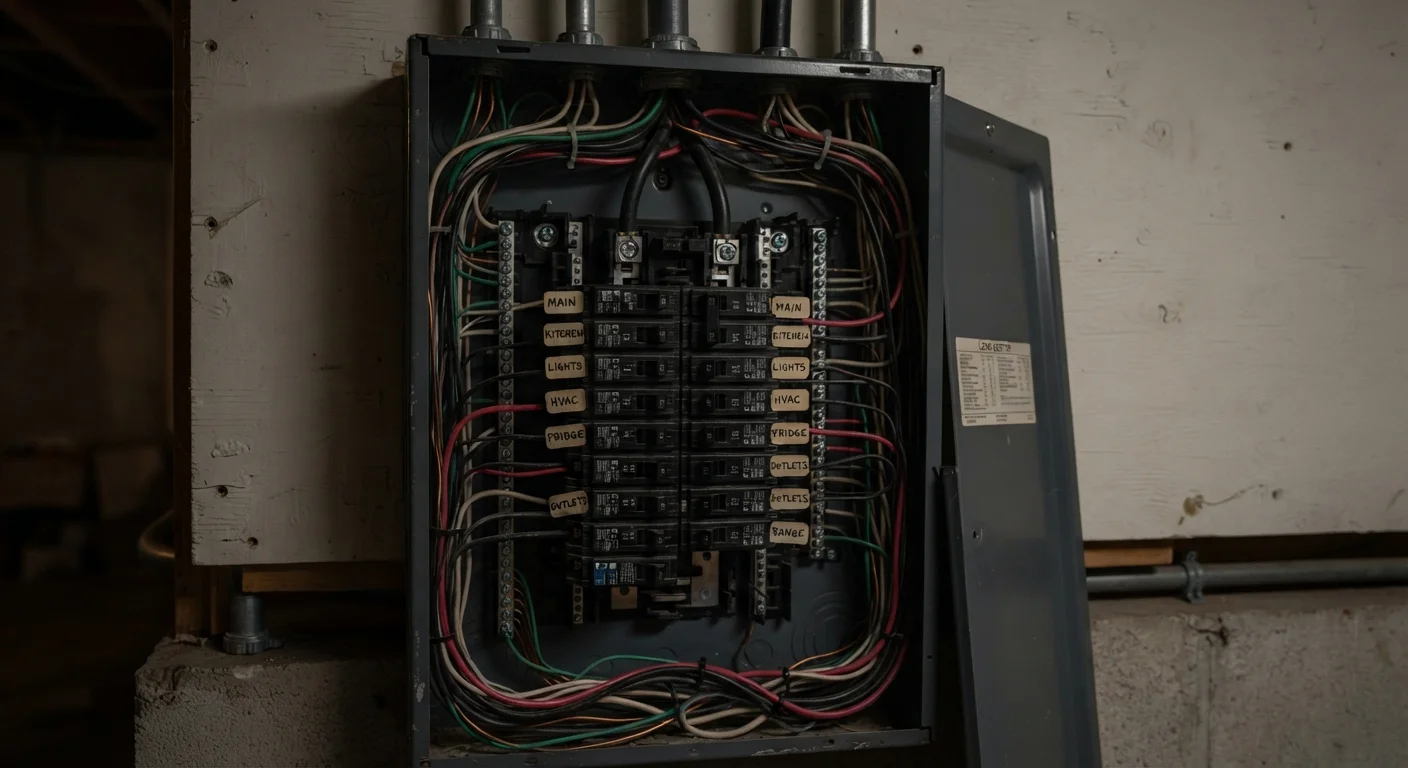
Loose connections, undersized wiring, improperly grounded outlets, and aluminum wiring issues can all exist behind functioning outlets and switches for years. Signs worth taking seriously include flickering lights, outlets that feel warm to the touch, breakers that trip repeatedly, or a burning smell near any electrical component. These warrant professional inspection, not reassurance. For a closer look at how your system is organized, see our article on understanding your home's electrical panel.
Myth
DIY electrical work is legal as long as you do it on your own home.
Fact
Most jurisdictions require permits and inspections for electrical work beyond minor repairs, regardless of who performs it.
Homeowner-performed electrical work is permitted in many states, but it is almost always subject to the same permit and inspection requirements as licensed contractor work. Skipping permits means the work is not inspected for code compliance, which can create problems when selling your home, filing an insurance claim, or if a fire occurs. Requirements vary by municipality, so checking with your local building department before starting any project is essential. For guidance on where DIY safely ends, our piece on DIY home repairs and where the risk line falls is a useful reference.
When to Call a Licensed Electrician
Even well-informed homeowners reach a point where a licensed electrician is the right call - not because the task is incomprehensible, but because the risks of getting it wrong are disproportionate. Panel work, new circuit installations, service upgrades, and any wiring inside finished walls generally fall into this category.
Do Not Work on Live Circuits
No DIY electrical task should be performed on an energized circuit. Always switch off the relevant breaker, then use a non-contact voltage tester to confirm power is absent before touching any wiring. Voltage testers are inexpensive, widely available, and non-negotiable for safe electrical work. If you are unsure which breaker controls a circuit, turn off the main breaker and verify with a tester.
Licensed electricians carry the training, tools, and insurance to perform work that meets local code. They also know which permits are required in your municipality and can arrange inspections. That inspection process exists to protect you: a passed inspection means an independent professional confirmed the work is safe.
For homeowners who want to understand their system more deeply before deciding what to tackle, our article on understanding your home's electrical panel covers how circuit breakers work, why they trip, and how to read your panel's layout. Staying informed is always the right starting point - just make sure the information is accurate before acting on it.
This article is for general educational purposes only and does not constitute professional electrical, building code, or safety advice. Always consult a licensed electrician and your local building authority before undertaking any electrical work in your home.
The content on this site is provided for informational purposes only and should not be considered a substitute for professional advice. While we strive to provide accurate and up-to-date information, we make no guarantees regarding its completeness or accuracy. Always consult a qualified professional for advice specific to your circumstances before making any decisions.