

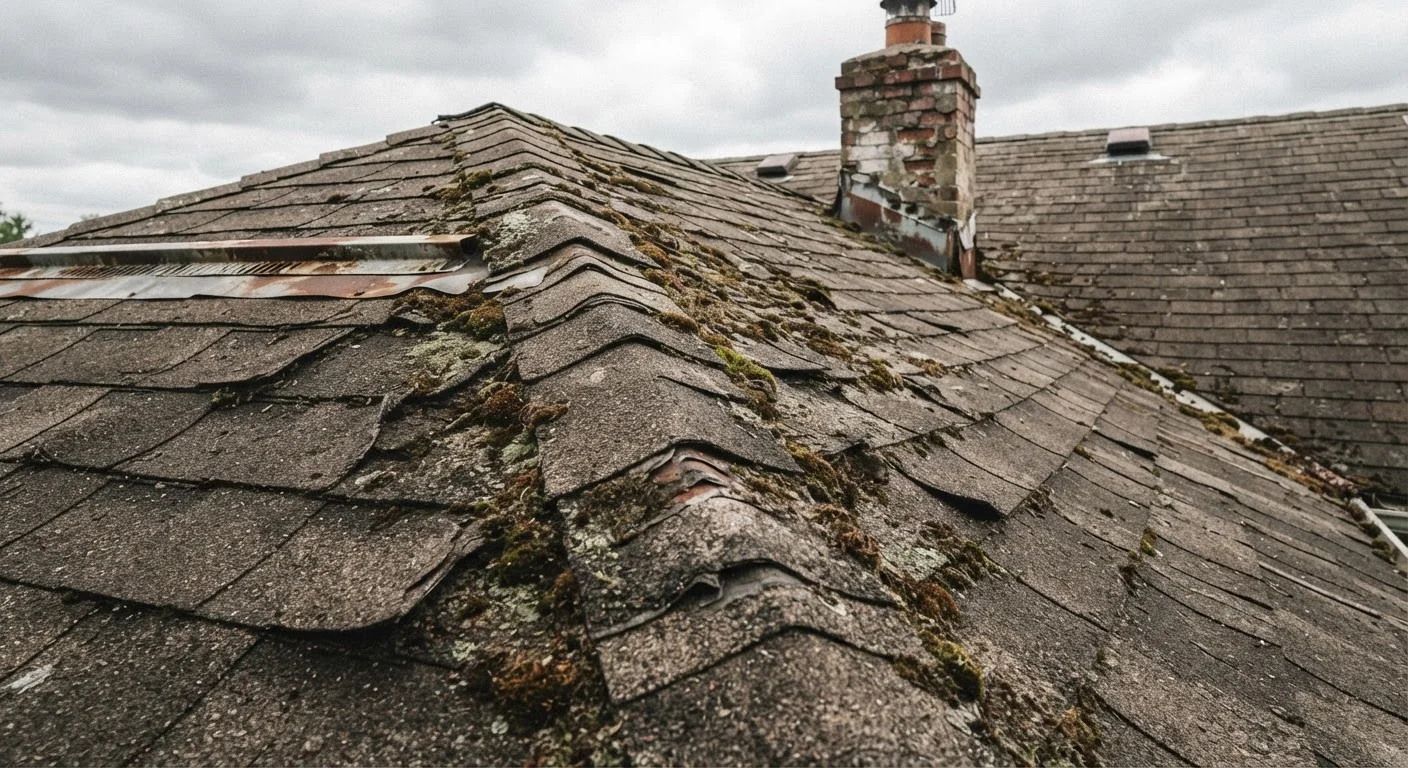
Why Roof Warning Signs Demand Prompt Attention
Your roof is one of the most critical - and most overlooked - components of your home. Because it sits out of everyday sightlines, damage can quietly compound over months before it becomes undeniable. The good news: roofs rarely fail without sending signals first. Learning to read those signals is the difference between a routine repair and a costly emergency replacement.
A proactive twice-yearly inspection is one of the most effective habits a homeowner can build. For a structured approach to that process, see our guide to seasonal home inspections. And because roof problems rarely stay on the roof - water intrusion affects attics, walls, and foundations - pairing roof vigilance with proper gutter maintenance is equally important.
| Typical asphalt shingle lifespan | 20-30 years (General industry range; varies by climate, ventilation, and product type) |
| Inspection frequency recommended | Twice yearly (spring and fall) (Standard guidance from roofing trade associations) |
| Common first sign of aging shingles | Granule accumulation in gutters |
| Most vulnerable roof areas | Flashing joints, valleys, and ridge |
| Permits typically required for | Full roof replacement (varies by jurisdiction) (Verify local building codes before starting any roof project) |
The Most Common Roof Warning Signs
Each of the following indicators warrants investigation. Some are visible from the ground; others require a careful attic check or a professional evaluation.
Granules in the Gutters
Asphalt shingles are coated with mineral granules that protect the underlying mat from UV radiation and weather. When shingles age or sustain impact damage, granules shed in increasing quantities. Finding significant granule accumulation in your gutters or at downspout outlets - especially after no recent storm - is a reliable sign that shingles are losing their protective capacity. New roofs shed a modest amount initially; persistent or heavy accumulation on an older roof is the concern.
Curling, Cupping, or Cracked Shingles
Shingles curl in two distinct ways: cupping, where the edges turn upward, and clawing, where the middle lifts while edges stay flat. Both patterns indicate moisture imbalance or age-related material breakdown. Cracked shingles are typically caused by wind damage or thermal cycling. Any of these conditions leaves the underlayment beneath exposed and vulnerable.
Missing Shingles
A missing shingle isn't just an aesthetic gap - it's an unprotected entry point for water. Even a single missing tab allows moisture to reach the roof deck. After any significant wind event, visually scan your roofline from the ground or check the ground around your home for displaced shingles.
Sagging Areas or a Bowed Ridgeline
A roof deck should be uniformly flat between rafters and along the ridge. Any visible sagging - whether in a small section or along the entire ridge - points to structural concerns: saturated or rotting decking, compromised rafters, or inadequate ventilation causing moisture buildup. Sagging is one of the most serious warning signs and warrants immediate professional assessment. Do not attempt to walk on a sagging roof section.
Daylight Visible from the Attic
On a bright day, turn off attic lights and look upward toward the roof deck. Any pinpoints or streaks of daylight indicate gaps, cracks, or failed flashing. Also look for water staining, dark streaking, or soft spots in the decking - all evidence of past or active moisture intrusion.
Damaged or Deteriorated Flashing
Flashing - the metal strips sealing roof transitions around chimneys, skylights, vents, and valleys - is a primary moisture entry point when it fails. Look for lifted, cracked, or corroded flashing. On older homes, flashing may have been sealed with roof cement that has since cracked and shrunk away from the surface.
Moss, Algae, or Lichen Growth
Dark streaking is typically algae; green or fuzzy growth indicates moss or lichen. Beyond aesthetics, moss retains moisture against shingle surfaces, accelerating deterioration. Lichen, in particular, bonds tightly to shingles and can cause physical damage during removal. These organisms thrive in shaded, damp conditions - often indicating poor ventilation or heavy tree coverage overhead.
Flashing
Thin metal strips (commonly aluminum or galvanized steel) installed at roof transitions - around chimneys, vents, skylights, and valleys - to prevent water from seeping into joints. Flashing failure is one of the most common sources of roof leaks.
Granule Loss
The shedding of the mineral coating bonded to the surface of asphalt shingles. Granules protect against UV degradation and weathering; significant loss indicates shingles are approaching end of life.
Cupping
A type of shingle distortion in which the edges curl upward while the center remains relatively flat. Cupping is usually caused by moisture imbalance between the top and bottom surfaces of the shingle.
Roof Deck
The structural panel layer (typically plywood or OSB) fastened to the roof rafters, onto which underlayment and shingles are installed. A compromised or rotted deck requires replacement before new roofing materials can be applied.
Underlayment
A water-resistant or waterproof barrier layer installed directly on the roof deck beneath the shingles. It provides secondary protection against moisture if the outer shingle layer is breached.
Lichen
A composite organism made of fungi and algae that can attach firmly to roofing surfaces. Unlike moss, lichen bonds deeply to shingles and is difficult to remove without causing physical damage.
When to Call a Licensed Roofing Professional
Ground-level inspection and attic checks are appropriate for homeowners. Walking on the roof itself carries fall risk and can cause additional shingle damage, and is best left to experienced professionals with proper equipment. Any of the following situations warrant calling a licensed roofing contractor rather than attempting DIY repairs:
- Sagging or structural concerns anywhere on the roof or ridge
- Active water intrusion inside the home
- Widespread shingle damage covering more than a few isolated areas
- Flashing failure around chimneys or skylights
- A roof that is approaching or has exceeded its expected service life
When buying or selling a home, professional roof assessment is a standard part of due diligence - a point covered in detail in our home inspection red flags guide for buyers. Catching problems at the inspection stage can significantly affect negotiations and planning.
Document what you observe during your own inspections with dated photos. This record is valuable when discussing scope and urgency with a contractor, and may be relevant for insurance claims following storm damage.
The content on this site is provided for informational purposes only and should not be considered a substitute for professional advice. While we strive to provide accurate and up-to-date information, we make no guarantees regarding its completeness or accuracy. Always consult a qualified professional for advice specific to your circumstances before making any decisions.