

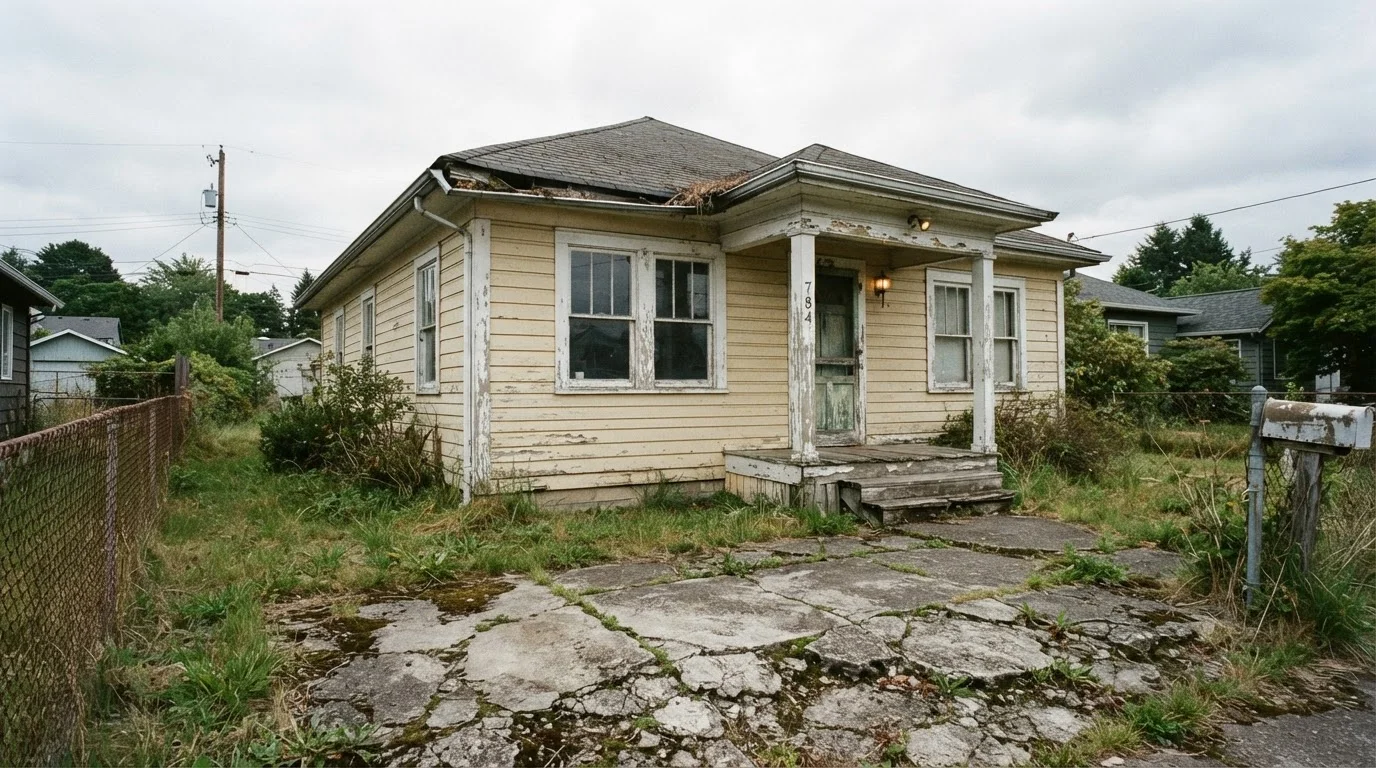
Why Delayed Repairs Are Never Free
It's easy to rationalize putting off a repair. A small roof leak, a little peeling caulk around the tub, a gutter that needs clearing - none of it feels urgent when life is busy or budgets are tight. But deferred maintenance rarely stays contained. Most home problems follow a predictable pattern: they worsen with time, and as they worsen, they trigger secondary damage that costs far more to fix than the original issue would have.
A minor roof leak left unaddressed, for example, can saturate insulation, rot structural sheathing, and eventually breed mold - turning a few hundred dollars in flashing repairs into a project costing several thousand dollars or more. This compounding effect is what makes deferred maintenance one of the most quietly expensive habits a homeowner can develop. Understanding why avoidance tends to cost more - in home maintenance as in finances - is the first step toward breaking the cycle.
1%
Recommended annual maintenance budget
A commonly cited rule of thumb in real estate and homeownership guidance suggests setting aside approximately 1% of a home's value each year for maintenance and repairs - though needs vary by home age and condition.
3-10x
Cost multiplier of deferred water damage repairs
Industry estimates from contractors and restoration professionals suggest that water damage caught late can cost three to ten times more to remediate than the original intrusion point would have cost to repair.
~35%
Of home inspection reports flag deferred maintenance
Home inspection industry surveys consistently find that a significant portion of inspections identify deferred maintenance as a notable condition affecting property condition assessments.
Water: The Most Common Catalyst for Compounding Damage
Water intrusion is responsible for a disproportionate share of serious home damage. It finds its way in through failed caulk, cracked flashing, blocked gutters, and improperly graded soil around the foundation. Once inside, moisture doesn't stay in one place - it migrates into wall cavities, subfloors, and framing, where it quietly promotes rot and mold growth for months before visible symptoms appear.
Gutters are one of the most overlooked sources of water-related damage. Clogged gutters overflow against fascia boards, saturate soil near the foundation, and can drive moisture into basements and crawlspaces. As our guide on why neglecting gutters costs far more than cleaning them explains, this single overlooked task can set off a chain of foundation and structural problems that dwarf the cost of routine cleaning.
The Hidden Costs Beyond the Repair Bill
The financial impact of deferred maintenance extends beyond the immediate repair estimate. Homeowners who delay upkeep often face several compounding consequences:
- Higher repair costs: Contractors typically charge more to fix a problem that has spread than one caught early. Emergency or urgent repairs also tend to carry premium pricing.
- Reduced resale value: Home inspectors formally document deferred maintenance, and buyers use inspection reports to negotiate price reductions or demand repairs before closing. Knowing which maintenance tasks protect resale value helps prioritize limited budgets.
- Insurance complications: Some insurers deny claims for damage they determine resulted from neglect rather than a sudden covered event. A long-standing roof leak, for instance, may not be covered if it's found to be a maintenance issue.
- Health impacts: Mold, pest infestations, and poor air quality from deferred HVAC maintenance can affect household well-being - adding potential remediation costs on top of structural repairs.
Building a Maintenance Habit That Works
The most effective antidote to deferred maintenance isn't spending more money - it's spending it consistently and strategically. A seasonal inspection routine catches problems while they're still small and inexpensive. Each spring and fall, walk the exterior of your home looking for cracked caulk, damaged flashing, missing shingles, deteriorating trim, and signs of pest activity. Inside, check under sinks, around water heaters, and in basements or crawlspaces for signs of moisture.
Setting aside a maintenance budget - commonly estimated at roughly 1% of a home's value annually, though individual needs vary - creates a financial cushion that makes it easier to act on problems quickly rather than postponing them. The same principle applies to vehicles: skipping routine maintenance costs more than you think across any system, mechanical or structural.
Prioritize tasks based on consequence, not convenience. Roof, foundation, water management, and HVAC systems sit at the top of most maintenance hierarchies because failures in these areas cascade fastest. For broader home improvement guidance, a structured approach helps homeowners decide what to tackle themselves and when to call in a licensed professional.
Frequently Asked Questions
The impact varies by the type and extent of neglect, but appraisers and home inspectors formally note deferred maintenance as a value-reducing condition. Serious issues like a failing roof, damaged foundation, or water intrusion can lower appraised value by thousands of dollars and may require repairs before a mortgage lender will approve a loan.
Roof and gutter inspections, HVAC filter replacements, caulking around windows and doors, checking for plumbing leaks, and testing smoke and carbon monoxide detectors are among the most consequential tasks to keep current. These low-cost actions prevent high-cost failures.
A thorough walk-through inside and outside your home at least twice a year - typically in spring and fall - helps catch seasonal wear before it worsens. Certain systems like HVAC filters and smoke detectors need attention more frequently throughout the year.
Not necessarily. Financial hardship, unforeseen life events, or simply not knowing what to look for can all contribute to delayed repairs. The important thing is recognizing the pattern and building a realistic maintenance plan as soon as possible.
Yes. Home inspectors routinely flag deferred maintenance items, and buyers or their lenders may require repairs before closing. In some cases, significant unresolved maintenance issues lead buyers to renegotiate the price or walk away from the deal entirely.
The content on this site is provided for informational purposes only and should not be considered a substitute for professional advice. While we strive to provide accurate and up-to-date information, we make no guarantees regarding its completeness or accuracy. Always consult a qualified professional for advice specific to your circumstances before making any decisions.