

Our Verdict
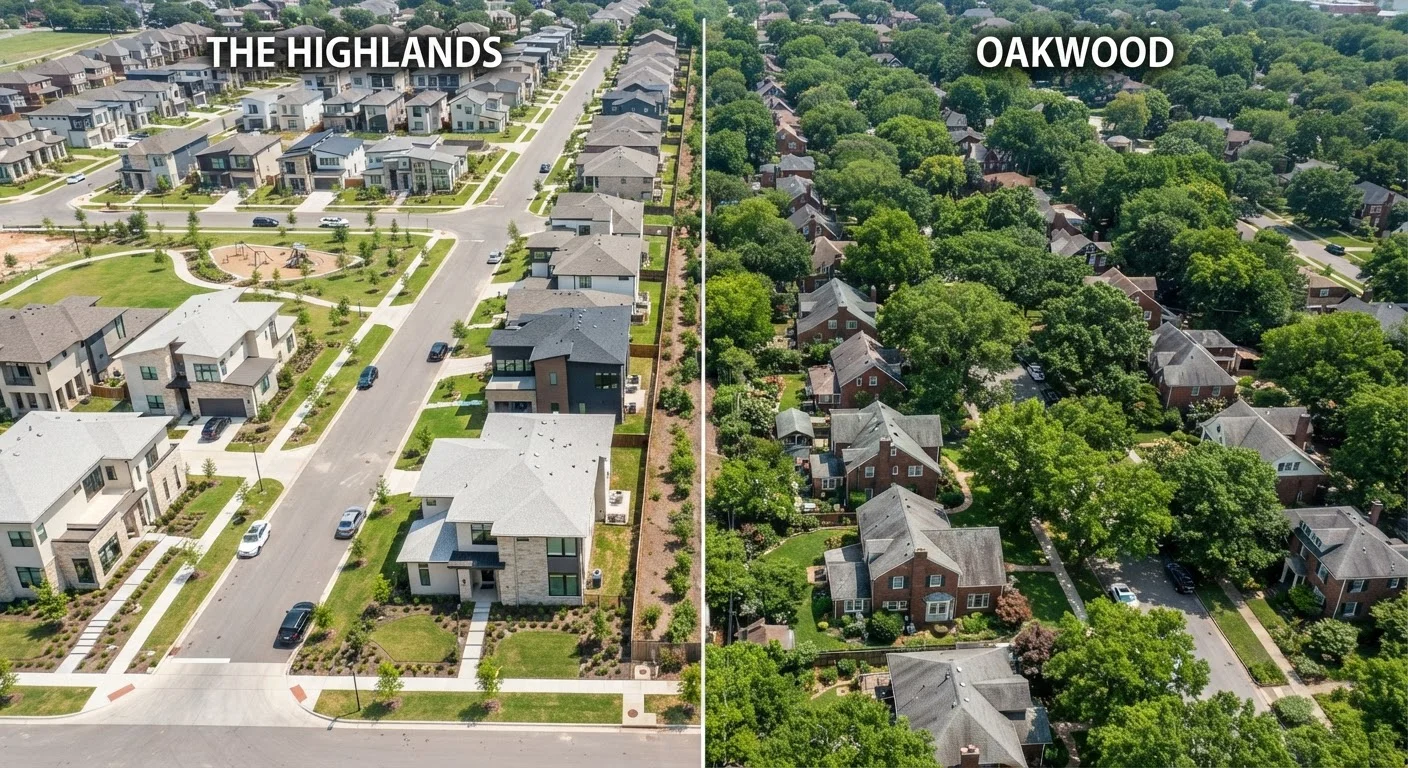
Neither new construction nor existing homes is objectively superior - each serves a different buyer profile. New builds reward those who prioritize modern features, energy efficiency, and low near-term maintenance. Existing homes offer location advantages, character, and negotiating leverage that brand-new developments rarely match.
| Best for | Recommended |
|---|---|
| Buyers who want move-in-ready homes with modern systems and warranties | New Construction |
| Those seeking established neighborhoods, mature landscaping, and prime locations | Existing Homes |
| Buyers with flexibility on timeline who want to personalize finishes | New Construction |
| Budget-conscious buyers with room in their plan for renovation costs | Existing Homes |
The Core Difference Between New and Existing Homes
When buyers use the term new construction, they mean a home built by a developer that has never been occupied - either a spec home already finished or a to-be-built property configured during the sales process. Existing homes, sometimes called resale homes, are previously owned properties sold by individual homeowners or investors.
The distinction matters because it shapes nearly every variable in the homebuying process: price, location options, condition, timeline, and negotiating dynamics. Understanding what each path involves - before getting emotionally attached to a listing - puts buyers in a stronger position regardless of which direction they ultimately choose. For broader context on how market conditions affect both paths, see our guide to buyer's and seller's markets.
What New Construction Offers - and Where It Falls Short
The appeal of new construction is straightforward: everything is new. Appliances, roofing, HVAC systems, electrical panels, and plumbing all start their useful life the day you move in. Most builders offer a structural warranty - often 10 years on major components - plus shorter coverage on mechanical systems and workmanship. For buyers who want predictability in maintenance costs during their first years of ownership, this is a meaningful financial cushion.
Energy efficiency is another genuine advantage. Homes built under current codes typically meet higher insulation, window, and HVAC standards than homes built even 15 years ago, which can translate to lower utility bills over time.
The drawbacks are real, however. New developments are often located where land is available and affordable - on the suburban fringe - not where proximity to jobs, schools, or amenities is highest. Builder contracts can be rigid: standard purchase agreements frequently limit what buyers can negotiate and may include arbitration clauses that restrict legal recourse. Customization windows close quickly during construction, and change orders add cost fast. Delays are common, and a buyer locked into a rate hold or lease-end date can face real pressure if the builder pushes the completion date.
| New Construction | Existing Homes | |
|---|---|---|
| Upfront Price | Generally higher | Often lower for comparable size |
| Location Options | Suburban/developing areas | Broader, including established neighborhoods |
| Condition & Systems | Brand new, under warranty | Varies; inspection essential |
| Maintenance Costs (Years 1-5) | Typically low | Can be significant |
| Energy Efficiency | Built to current codes | Variable; may need upgrades |
| Customization | Limited to builder options | Renovate as you choose |
| Negotiating Flexibility | Restricted by builder contracts | Higher with motivated sellers |
| Move-In Timeline | Months to over a year for builds | Typically 30-60 days after contract |
What Existing Homes Offer - and Where They Fall Short
Resale homes dominate the housing inventory in virtually every US metro area, which means buyers have far more options across neighborhoods, lot sizes, architectural styles, and price points. Location is often the decisive factor in long-term home value, and established neighborhoods - with mature trees, walkable blocks, and fully developed infrastructure - are generally only accessible through the resale market.
Negotiating dynamics also tend to favor buyers more in resale transactions. Sellers are individuals with their own timelines and motivations, making price reductions, seller concessions, and closing cost contributions more achievable than with a builder's standardized contract. In a softer market, this gap widens further.
The risk is condition. Older homes carry deferred maintenance, aging systems, and potential issues that aren't always visible at a showing: outdated wiring, older plumbing materials, foundation settling, or roof wear. A thorough inspection by a licensed home inspector is not optional - it's the primary tool for uncovering what a seller may not disclose. Buyers should budget for repairs, particularly in homes older than 20-30 years, and factor those costs into any offer. For inspiration on what renovations may follow purchase, our home improvement hub covers common upgrade projects in depth.
Key Financial Considerations
New construction homes typically carry a price premium relative to comparable existing homes in the same general area. Part of this reflects the cost of modern materials and labor; part reflects the builder's profit margin. Some builders offer financing incentives - rate buydowns or closing cost credits - when buyers use their preferred lender, but these should be evaluated carefully against outside mortgage offers rather than accepted at face value.
With existing homes, the purchase price is only part of the financial picture. Buyers should estimate realistic near-term repair and renovation costs and weigh them against the list price. A home priced below market may require enough work to close the gap - or more. On the other hand, structural changes like open floor plans and system upgrades such as water heater replacements can add genuine value when planned carefully.
This article is for general informational purposes only and does not constitute financial, legal, or real estate advice. Consult a licensed real estate professional and financial adviser before making homebuying decisions.
The content on this site is provided for informational purposes only and should not be considered a substitute for professional advice. While we strive to provide accurate and up-to-date information, we make no guarantees regarding its completeness or accuracy. Always consult a qualified professional for advice specific to your circumstances before making any decisions.