

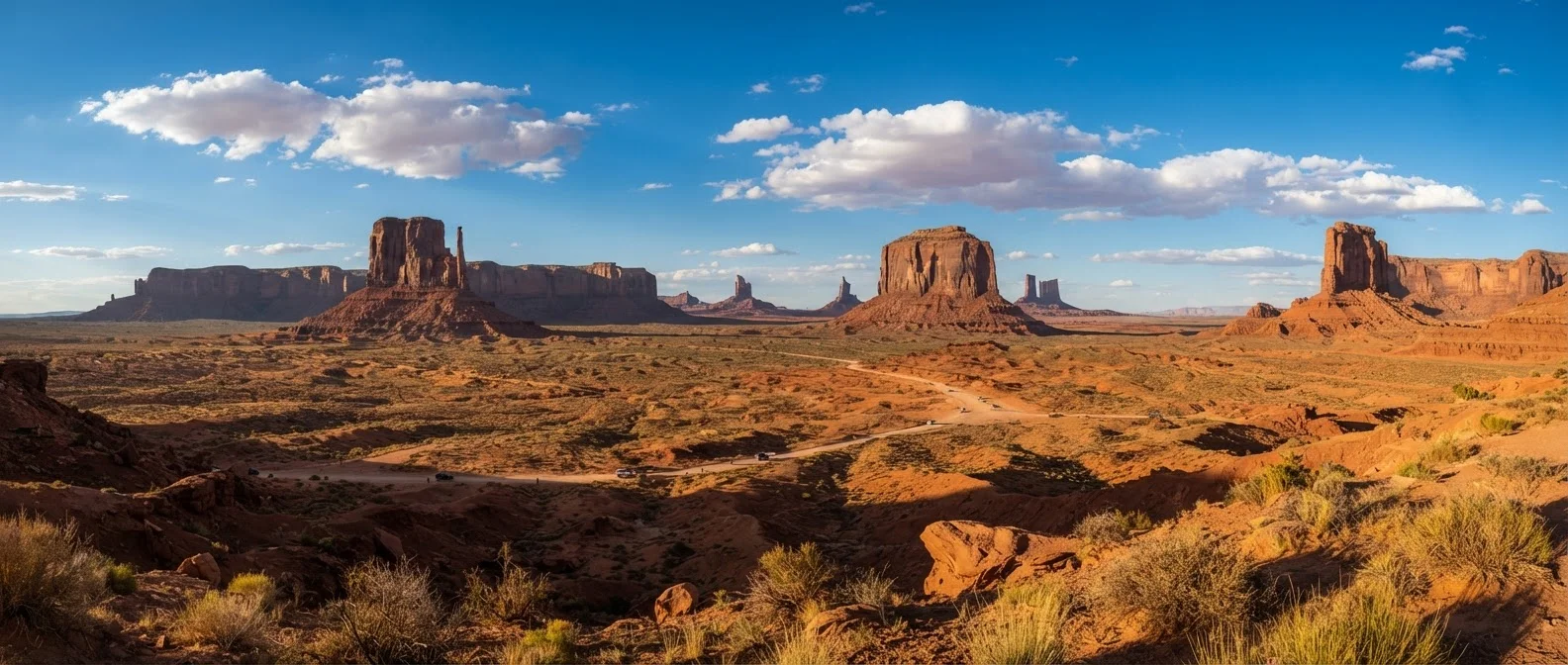
What the Southwest Actually Is
When travel writers refer to the American Southwest, they typically mean four states: Arizona, Utah, New Mexico, and Nevada. Colorado is sometimes included, but the core of the region is defined by its shared geology - a high desert plateau carved over millions of years into canyons, mesas, arches, and buttes.
The landscape is the main attraction. The Colorado Plateau alone covers roughly 130,000 square miles, and it is the geologic engine behind famous formations at the Grand Canyon, Zion, Bryce Canyon, Canyonlands, and Monument Valley. First-time visitors are often surprised by how genuinely enormous these spaces are - photos consistently understate the scale.
The Southwest is also one of the most culturally layered regions in the United States. Indigenous nations - including the Navajo Nation (the largest in the country), the Hopi, the Zuni, and dozens of Pueblo communities - have deep, continuous histories here that predate European contact by centuries. New Mexico's capital, Santa Fe, has been continuously governed since 1610, making it one of the oldest seats of government in North America.
If you're new to organizing a trip of this scope, our ground-up trip planning primer walks through the full research-to-packing process without the overwhelm.
Climate and When to Go
The Southwest's desert climate is defined by heat, low humidity, high elevation, and dramatic temperature swings between day and night. Elevation matters enormously here - Flagstaff, Arizona sits above 6,900 feet, meaning it regularly sees snow in winter while Phoenix, two hours south at 1,100 feet, stays warm year-round.
Spring (March-May) and fall (September-November) are the most comfortable seasons for hiking and sightseeing in most of the region. Summer temperatures at lower elevations - particularly in Las Vegas, Phoenix, and the Grand Canyon's South Rim - routinely exceed 105°F (40°C). Heat-related illness is a real risk; rangers and park officials consistently report preventable emergencies among hikers who underestimate desert conditions. Carry far more water than you think you need, and plan strenuous activity for early morning.
The summer monsoon season, typically July through mid-September, brings afternoon thunderstorms that can trigger flash floods in canyon areas with little warning. These floods can occur even when skies above you appear clear, because rain upstream channels rapidly into narrow slot canyons. Always check weather forecasts and heed any closure or warning signs at canyon entrances.
Winter is genuinely cold at elevation - Utah's national parks can have icy trails - but crowds thin dramatically, and many visitors find the off-season landscape striking. Verify road and trail conditions with the relevant National Park Service site before any winter visit.
Major Destinations at a Glance
The Southwest has a high concentration of nationally significant sites within a drivable radius. Most first-timers construct a road-trip itinerary rather than staying put, which is a reasonable approach given the distances involved. Our first road trip guide covers the practical logistics of doing exactly that.
- Grand Canyon National Park (Arizona): One of the most visited sites in the country. The South Rim is accessible year-round; the more remote North Rim closes in winter. Reserve accommodations well in advance - popular lodges book out months ahead.
- Zion National Park (Utah): Known for the Narrows slot canyon hike and Angel's Landing. A mandatory shuttle system operates during peak season; parking is limited.
- Bryce Canyon National Park (Utah): Famous for hoodoos - tall, thin spires of rock. High elevation (8,000-9,100 feet) means cooler temperatures and occasional snow even in late spring.
- Arches and Canyonlands (Utah): Two distinct parks near Moab. Arches contains over 2,000 natural stone arches; Canyonlands offers more rugged, remote terrain.
- Santa Fe and Taos (New Mexico): Art-focused cities with significant Indigenous and Spanish colonial history, distinctive adobe architecture, and well-regarded regional cuisine.
- Las Vegas (Nevada): A major travel hub with an international airport, commonly used as a starting point for itineraries that include Zion, Bryce, or the Grand Canyon's South Rim.
If you want to go beyond the headliners, lesser-known national parks in the region are worth researching - several are within easy reach and draw far smaller crowds.
Travelers weighing a Southwest road trip against other vacation styles may find our comparison of mountain towns versus beach destinations useful for setting expectations around pace, cost, and activity type.
Cultural Context and Visitor Responsibility
Much of the Southwest's most striking landscape sits on or adjacent to Indigenous lands. Visitors should be aware of a few guiding principles before they arrive.
Certain sites - including portions of Monument Valley, Canyon de Chelly, and many Pueblo communities - are on tribal land and require guided tours, entry permits, or both. Access rules vary by nation and site; check directly with the relevant tribal tourism office before visiting. Photography of people, ceremonies, and some sacred sites may be restricted or prohibited. These are not suggestions - they are conditions of respectful access.
Archaeological sites throughout the region are protected under federal law (the Archaeological Resources Protection Act). Removing artifacts, climbing on ruins, or disturbing rock art is illegal and causes irreversible damage. The phrase commonly seen at these sites - take only photographs, leave only footprints - is a legal as well as ethical standard here.
Leave No Trace principles apply across the region, particularly in fragile desert ecosystems where soil crusts take decades to recover from a single footprint off-trail. Stay on marked paths, pack out all waste, and follow any posted fire restrictions, which are common during dry periods.
Entry requirements, road conditions, tribal land access rules, and park reservations can change. Verify current information with official National Park Service resources, tribal tourism offices, and state tourism agencies before your trip.
The content on this site is provided for informational purposes only and should not be considered a substitute for professional advice. While we strive to provide accurate and up-to-date information, we make no guarantees regarding its completeness or accuracy. Always consult a qualified professional for advice specific to your circumstances before making any decisions.