

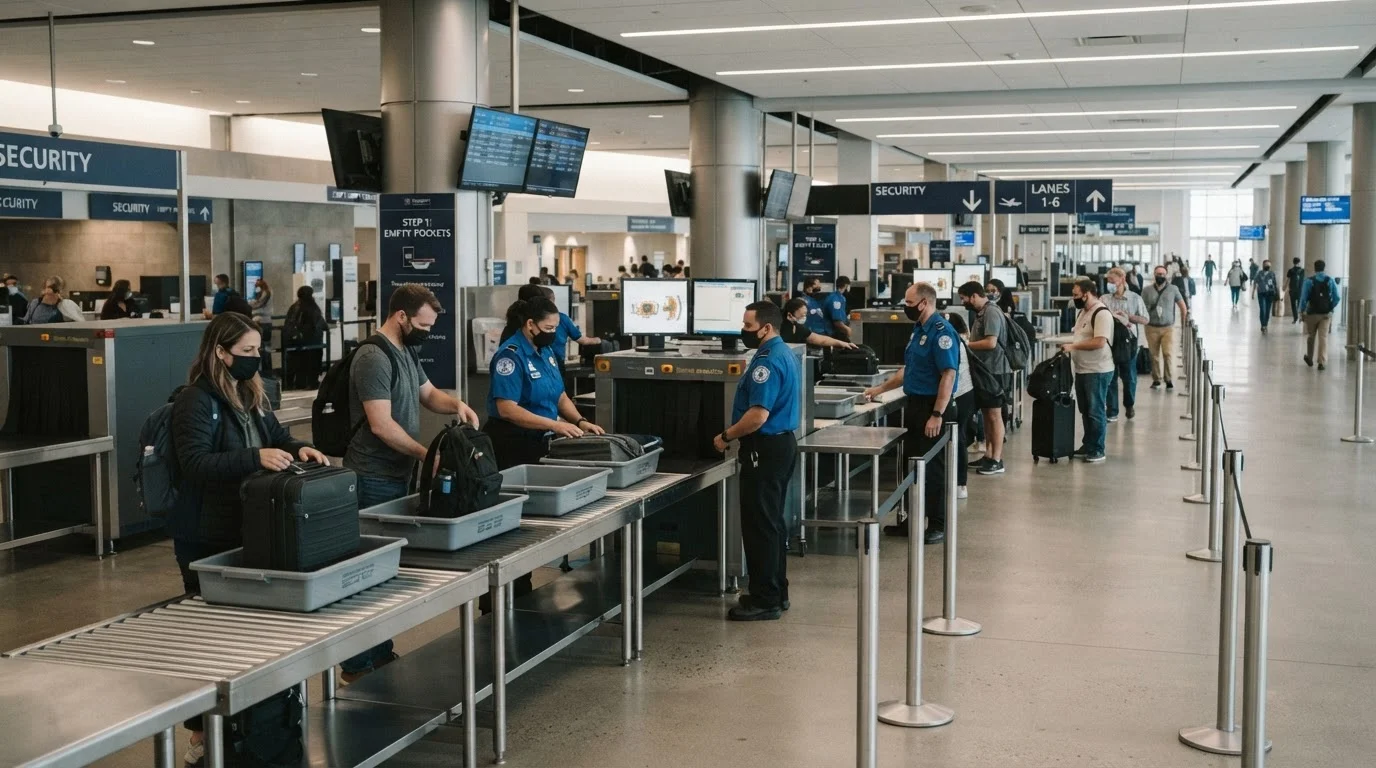
Why Security Feels Harder Than It Should
For most travelers, airport security is stressful not because it's genuinely difficult, but because the rules feel unclear and the stakes feel high. A misunderstanding at the checkpoint can mean a missed flight, a confiscated item, or an embarrassing pat-down. The good news: the vast majority of checkpoint friction is preventable with a little advance knowledge.
Before your next trip, make sure your broader pre-departure prep is solid. Our travel preparation checklist covers documents, medications, and other essentials so security is the only variable you're managing at the airport.
The Core Rules Frequent Flyers Have Memorized
The Transportation Security Administration (TSA) operates U.S. airport security checkpoints and publishes clear, publicly available guidelines. Here are the fundamentals worth committing to memory.
Follow the 3-1-1 liquids rule without exception
TSA requires that all liquids, gels, aerosols, creams, and pastes in carry-on bags be in containers of 3.4 ounces (100ml) or less, placed in a single quart-sized clear zip-top bag, with one bag per traveler. This applies regardless of how full a container is - a half-empty 6oz bottle is still prohibited. Ignoring or misremembering this rule is the single most common reason bags are flagged.
Remove shoes and outerwear before reaching the bin
Standard screening requires most travelers to remove shoes and jackets. Doing this while waiting in line - rather than at the belt - keeps the line moving and prevents the awkward shuffle that slows everyone down. Travelers with TSA PreCheck are generally exempt from this step, but standard lane travelers are not.
Place electronics larger than a phone in a separate bin
Laptops and tablets must be screened separately from bags in standard lanes because their density can obscure X-ray images. Leaving them in a bag almost guarantees a hand search, adding several minutes to your wait.
Wear minimal metal and practical footwear
Belt buckles, bulky jewelry, and metal-reinforced shoes frequently trigger the metal detector, leading to secondary screening. Choosing slip-on shoes, a fabric belt, and keeping jewelry in your carry-on until after the checkpoint eliminates this variable entirely.
Know what's prohibited before you pack
TSA maintains a publicly searchable database called 'What Can I Bring?' on its website where travelers can look up any item before packing. Sharp objects, certain tools, and some sporting goods are prohibited in carry-ons but may be allowed in checked luggage. Discovering this at the checkpoint means either surrendering the item or returning to check your bag.
Arrive with your ID and boarding pass already accessible
TSA document check is a separate step from the X-ray belt. Fumbling for your phone or digging through a bag at the ID check creates a bottleneck. Having your boarding pass pulled up and your ID in hand before you reach the agent keeps things moving.
For international departures, requirements can vary by destination and airline. Always verify entry documentation well before your flight - our guide on what to confirm before leaving the country includes relevant checklists.
Trusted Traveler Programs: Are They Worth It?
TSA PreCheck and Global Entry are federal programs that allow pre-vetted travelers to use expedited screening lanes. PreCheck members typically keep shoes, laptops, and 3-1-1 liquids bags in their carry-on during screening. Global Entry adds expedited U.S. Customs processing for international arrivals and includes PreCheck benefits.
85%+
PreCheck travelers wait under 5 minutes
According to TSA's published program data, more than 85% of TSA PreCheck passengers waited fewer than five minutes at participating airports.
10M+
Active TSA PreCheck members enrolled
TSA has reported over ten million active PreCheck members, reflecting steady growth in traveler demand for expedited screening.
Both programs require an application, background check, and in-person appointment. Fees and eligibility requirements are subject to change, so check the official TSA and U.S. Customs and Border Protection websites for current information before applying.
If you're not yet enrolled, the standard lane still moves smoothly when you're prepared. See the quick wins below for actions you can take today.
Packing to Pass Through Faster
How you pack your carry-on has a direct impact on screening speed - for you and everyone behind you. Screeners look at X-ray images, and a cluttered, dense bag requires a closer look, which often means a hand search.
Keep your 3-1-1 bag accessible at the top of your carry-on. Store your laptop or large tablet in a sleeve near the bag's exterior pocket so it can be removed in one motion. Avoid packing snacks in a way that blocks visibility - TSA screeners frequently flag bags containing layered food items.
Deciding between a carry-on and checked bag affects your checkpoint experience too. Our carry-on vs. checked bag comparison walks through the trade-offs honestly, including security implications.
If you're traveling with electronics, review our advice on protecting your devices while traveling - border security screenings involve different rules than standard checkpoint screenings.
Border Searches Operate Under Different Rules
At U.S. ports of entry - including international arrival terminals - Customs and Border Protection (CBP) officers have broader authority to inspect luggage and electronic devices than TSA agents at domestic checkpoints. These searches can occur without a warrant. If you're returning from abroad or crossing a land border, be aware that your phone and laptop may be subject to inspection. Review current CBP guidelines on the official CBP website before traveling internationally.
The content on this site is provided for informational purposes only and should not be considered a substitute for professional advice. While we strive to provide accurate and up-to-date information, we make no guarantees regarding its completeness or accuracy. Always consult a qualified professional for advice specific to your circumstances before making any decisions.