

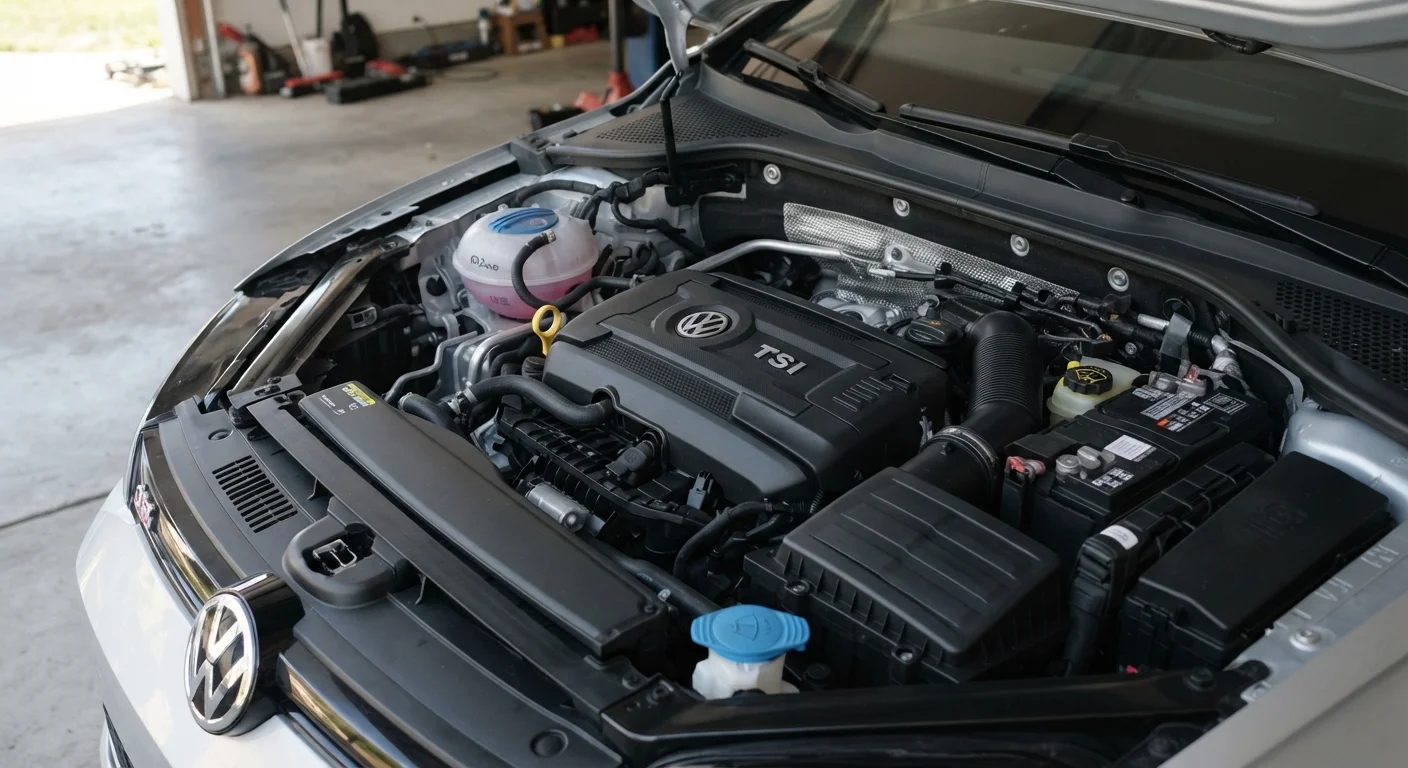
Why Car Fluids Matter
Your vehicle is essentially a network of interconnected systems - and most of them depend on a specific fluid to function. These liquids lubricate moving parts, regulate temperature, transfer force, and protect components from wear and corrosion. When any one of them runs low or degrades, the consequences can range from reduced performance to serious mechanical damage.
The good news: checking most fluid levels takes only a few minutes and no special tools. For a broader approach to routine self-inspection, see our DIY car checks guide - fluid levels are one of the easiest places to start.
Hydraulic fluid
A liquid that transmits force within a closed system under pressure. Brake fluid and power steering fluid both function as hydraulic fluids in most conventional vehicles.
Viscosity
A measure of a fluid's resistance to flow - its thickness. Engine oil viscosity ratings (like 5W-30) indicate how the oil flows at different temperatures.
Hygroscopic
The tendency to absorb moisture from the surrounding air. Brake fluid is hygroscopic, which is why it degrades over time even without a visible leak.
Coolant overflow reservoir
A translucent plastic tank connected to the radiator that holds excess coolant as it expands when hot. This is the safe location to check coolant level when the engine is cold.
The Essential Fluids and What Each One Does
Understanding what each fluid is responsible for helps you recognize warning signs early and have more informed conversations with mechanics.
| Number of key fluids most vehicles use | 5-6 |
| Brake fluid check method | Translucent reservoir on the master cylinder |
| Coolant check - engine must be | Cold (never open a hot radiator cap) |
| Oil color when fresh | Clear amber |
| Washer fluid - avoid substituting with | Plain water (freezes; no cleaning agents) |
Engine Oil
Engine oil lubricates the hundreds of moving metal parts inside your engine, reducing friction and carrying away heat. Without adequate oil, metal surfaces grind against each other and engine components can fail rapidly. Oil also holds suspended contaminants until your filter removes them. Most vehicles have a dipstick under the hood for checking oil level and color - dark, gritty oil is a sign it needs changing. Your owner's manual specifies the correct oil type and change interval for your specific vehicle.
Coolant (Antifreeze)
Coolant circulates through the engine and radiator to keep operating temperatures in the safe range. It prevents the engine from overheating in summer and from freezing in winter. Coolant should be checked at the overflow reservoir when the engine is cold - never open the radiator cap on a hot engine, as pressurized fluid can cause serious burns. Low coolant can lead to engine overheating, which is one of the most costly failures a vehicle can experience.
Transmission Fluid
Transmission fluid lubricates the gears and clutch components inside your transmission, allowing smooth gear shifts. In automatic transmissions it also serves as a hydraulic fluid. Many modern vehicles have a sealed transmission with no dipstick, so checking fluid level may require a visit to a shop. Burnt or discolored transmission fluid is a warning sign worth acting on promptly.
Brake Fluid
When you press the brake pedal, brake fluid transmits that force through hydraulic lines to the brake calipers at each wheel. It operates under high pressure and must maintain a consistent viscosity. Brake fluid is hygroscopic - it absorbs moisture over time - which lowers its boiling point and reduces braking effectiveness. To understand how this fluid works alongside other braking components, see our article on how your braking system works.
Power Steering Fluid
In vehicles with hydraulic power steering systems, this fluid allows you to turn the wheel with minimal effort. Low fluid causes stiff or jerky steering - a noticeable and potentially dangerous symptom. Many newer vehicles use electric power steering and have no power steering fluid at all; check your owner's manual to confirm which system your car uses.
Windshield Washer Fluid
Though not mechanical in nature, washer fluid directly affects visibility and safety. It should never be substituted with plain water, especially in cold climates - water freezes in the reservoir and lines. Use a fluid rated for your climate's lowest expected temperature.
Keeping Track of Fluid Health
Fluid levels alone don't tell the whole story - condition matters too. Fresh engine oil is amber; brake fluid should be pale yellow; coolant is typically bright green, orange, or pink depending on the formulation. Cloudy, discolored, or foul-smelling fluids are often signs of contamination or breakdown.
Your vehicle's owner's manual is the most reliable source for recommended fluid types, check intervals, and capacity specs - manufacturer guidance always overrides general advice. And if you're preparing for a long drive, a fluid check is one of the most important steps covered in our pre-road-trip vehicle inspection checklist.
If you're ever unsure about a fluid's condition or notice a puddle forming under your parked vehicle, have a qualified mechanic inspect it. Leaks left unaddressed tend to become significantly more expensive over time.
The content on this site is provided for informational purposes only and should not be considered a substitute for professional advice. While we strive to provide accurate and up-to-date information, we make no guarantees regarding its completeness or accuracy. Always consult a qualified professional for advice specific to your circumstances before making any decisions.