

Our Verdict
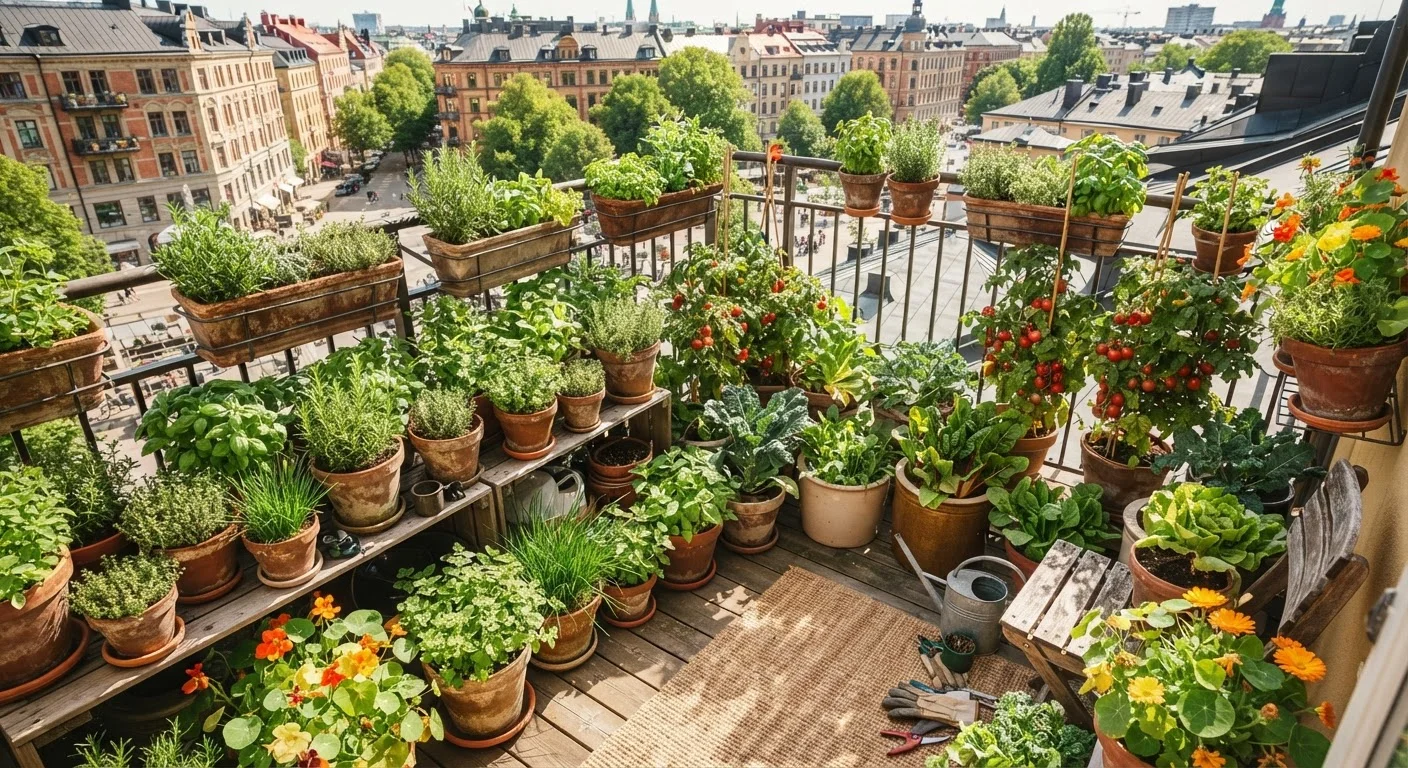
Container gardening is a genuinely productive and flexible approach that removes the need for in-ground soil entirely. It rewards attentive care but demands consistent watering and feeding that traditional garden beds don't. For anyone without yard access, it's often the only practical option - and a surprisingly capable one.
Best for apartment dwellers, renters, and anyone working with limited outdoor space who wants to grow edibles or ornamentals without major infrastructure.
What Container Gardening Actually Involves
Container gardening means growing plants in pots, planters, window boxes, grow bags, or any vessel that holds soil - rather than planting directly in the ground. It's a complete growing method, not just a workaround, and it's been used successfully for everything from culinary herbs to full-sized tomato plants.
The fundamentals are the same as any garden: plants need appropriate sunlight, consistent water, nutrients, and well-draining growing media. What changes is that containers isolate your plants from the native soil environment entirely, which gives you more control and more responsibility at the same time. Understanding those basics upfront matters - our beginner's guide to soil, sunlight, and water covers those core principles in depth before you invest in any plants or supplies.
The Advantages of Growing in Containers
Container gardening offers real, practical benefits that make it the right choice for a wide range of growers - not just those without a yard.
No yard or in-ground soil required
Any outdoor space with adequate sun - a balcony, patio, rooftop, or stoop - can support a productive container garden. This removes the single biggest barrier for urban and suburban apartment dwellers.
Full control over growing conditions
You choose the potting mix, container size, and placement, which means poor native soil is never a problem. This is especially valuable in areas with heavy clay, rocky ground, or contaminated soil.
Portable and rearrangeable
Plants can follow the sun as it shifts across seasons, be sheltered from severe weather, or moved indoors when frost threatens - extending the growing season in many climates.
Lower initial investment than raised beds
Starting with a few pots and a bag of potting mix costs far less than building and filling a raised bed, making it an accessible entry point for new gardeners.
Fewer soil-borne pest and disease problems
Because each container uses fresh mix and is isolated from garden soil, many common soil-borne pathogens and ground-dwelling pests are significantly less likely to take hold.
One underappreciated advantage is the ability to move plants around to follow the sun, bring them indoors before a frost, or rearrange your space entirely when seasons or needs change. In-ground gardens simply can't offer that flexibility. For comparisons with other setups like raised beds and in-ground planting, see our raised beds vs. in-ground planting overview.
The Disadvantages Worth Knowing Before You Start
Container gardening comes with real trade-offs. Being honest about them upfront helps you plan a setup that works rather than one that leads to dead plants and frustration.
Requires much more frequent watering
Containers dry out far faster than in-ground beds, especially small pots in full sun. During hot summer months, daily watering - sometimes twice daily - may be necessary.
Nutrients deplete quickly without regular feeding
Potting mix has limited fertility, and frequent watering leaches nutrients rapidly. Container plants typically need feeding every one to two weeks during the growing season.
Plant size and variety are constrained by volume
Large-fruiting plants like watermelons or sprawling squash are impractical in containers. Even productive crops like tomatoes require substantial container volume to avoid stunted growth.
Weight can be a genuine structural concern
Wet soil in large planters is heavy. On balconies or rooftops, this can be a safety issue - always verify your space's load-bearing capacity before adding multiple large containers.
Temperature extremes affect roots more severely
Unlike in-ground soil, container growing medium heats up and cools down rapidly, which can stress roots in summer heat or expose them to freezing conditions in winter.
Nutrient depletion is one of the more overlooked challenges. Potting mix doesn't have the biological activity of garden soil, so regular feeding is essential. Adding compost to your mix can help - our composting guide explains how to produce a steady supply of amendment material at home.
Choosing the Right Containers and Growing Mix
Container choice directly affects plant health. Drainage holes are non-negotiable - roots sitting in waterlogged soil will rot. Material matters for weight (important on balconies) and moisture retention: terracotta breathes and dries quickly, while plastic and glazed ceramic retain moisture longer and weigh less than stone or concrete.
Size is equally important. Shallow-rooted crops like lettuce and herbs can thrive in 6-8 inch deep containers. Tomatoes, peppers, and squash need containers holding at least 5 gallons - ideally 10 or more - to give roots enough room and to buffer moisture between waterings.
Balcony Weight Limits: Check Before You Plant
A large ceramic planter filled with wet potting mix can weigh well over 100 pounds. If you're gardening on a balcony or rooftop terrace, check your building's structural guidelines or consult your landlord or building manager before adding multiple heavy containers. Lightweight alternatives like fabric grow bags and plastic pots can significantly reduce load while still supporting healthy plant growth.
Always use a quality potting mix rather than garden soil, which compacts in containers and restricts drainage. Mixes formulated for containers include perlite or vermiculite to maintain aeration.
Which Plants Perform Well in Containers
Not every plant is equally well-suited to container life, but the list of good candidates is longer than most beginners expect. Reliable choices include:
- Herbs: Basil, parsley, chives, mint (keep mint in its own container - it spreads aggressively), and rosemary all do well in modest-sized pots.
- Salad greens and spinach: Fast-growing, shallow-rooted, and ideal for smaller containers or window boxes.
- Tomatoes and peppers: Need larger containers and consistent feeding, but are among the most rewarding crops to grow in a container setup.
- Radishes and green onions: Quick turnaround, small footprint, great for beginning gardeners.
For a fuller breakdown of which edibles are easiest to start with, our easy vegetables for first-time growers article explains what makes specific plants beginner-friendly. And when planning multiple containers, spacing and plant pairing principles from vegetable garden planning apply even at the container scale.
The content on this site is provided for informational purposes only and should not be considered a substitute for professional advice. While we strive to provide accurate and up-to-date information, we make no guarantees regarding its completeness or accuracy. Always consult a qualified professional for advice specific to your circumstances before making any decisions.